Date: Jan 25, 2026
Healthcare inequality remains one of the most pressing issues in Pakistan, affecting millions of lives and undermining the well-being of entire communities. While some urban centers have access to quality medical care, many rural and underprivileged areas struggle with limited resources, a lack of basic facilities, and a shortage of trained healthcare professionals. Through the real stories of families and individuals on the ground, it becomes clear how deep and impactful this inequality truly is.
Healthcare inequality in Pakistan is driven by multiple factors, including poverty, geographic isolation, limited government investment, and lack of awareness. Those living in remote villages or low-income urban settlements often face disproportionate challenges when it comes to accessing essential medical services. Without early diagnosis, preventive care, or regular check-ups, treatable conditions can quickly become life-threatening.
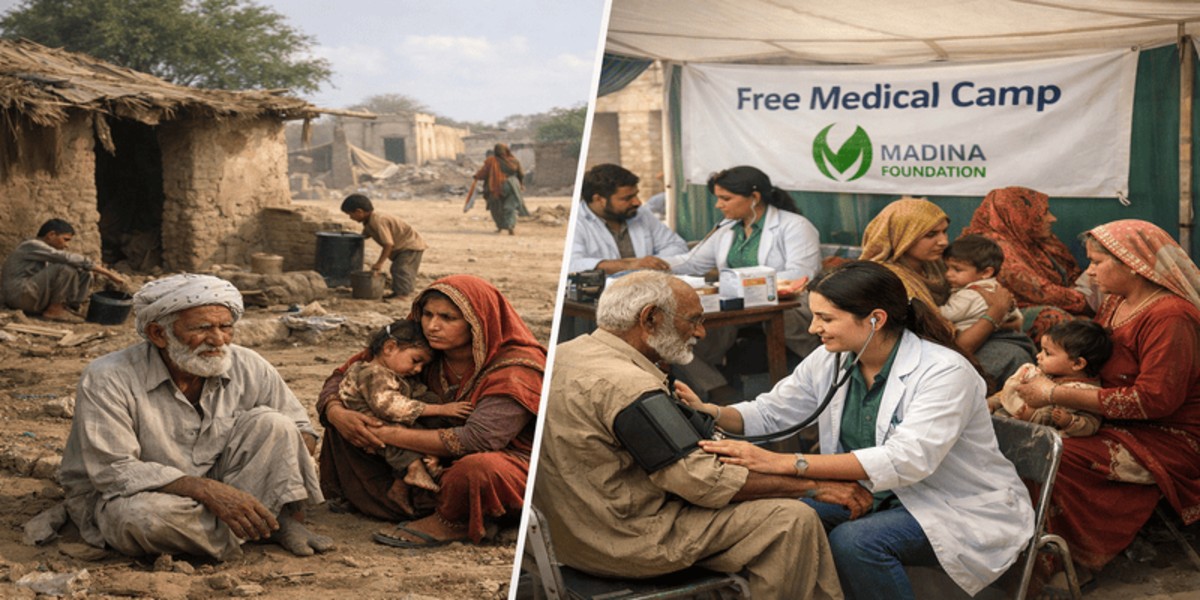
At the Mission of Madina Foundation, we believe in addressing these inequities by bringing healthcare services directly to underserved populations. Our efforts strive to bridge the gap between communities with ample resources and those left behind.
In mountainous districts, farmers walk miles with sick children just to see a healthcare worker. In urban slums, families delay treatment because they cannot afford consultation fees or transportation costs. These stories are not isolated; they represent a larger pattern of exclusion that many Pakistanis face daily.
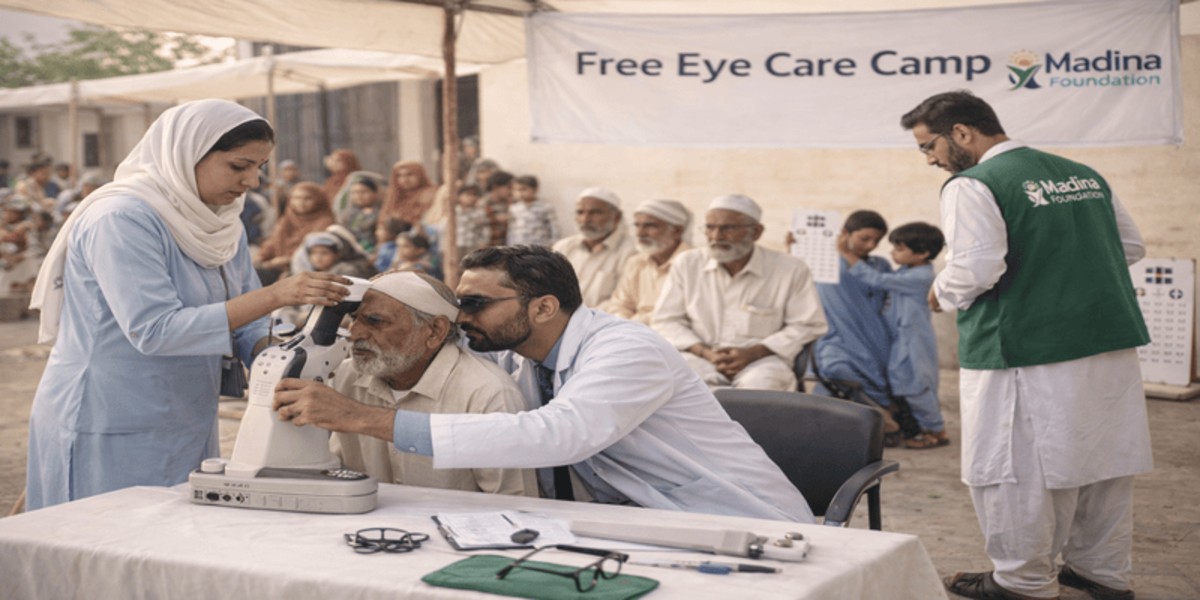
One mother shared how a lack of local medical facilities led to her son’s advanced illness — a condition that could have been managed if detected earlier. Another elderly man spoke of walking for hours to find someone who could check his deteriorating eyesight. These human experiences highlight the urgency of equitable healthcare solutions.
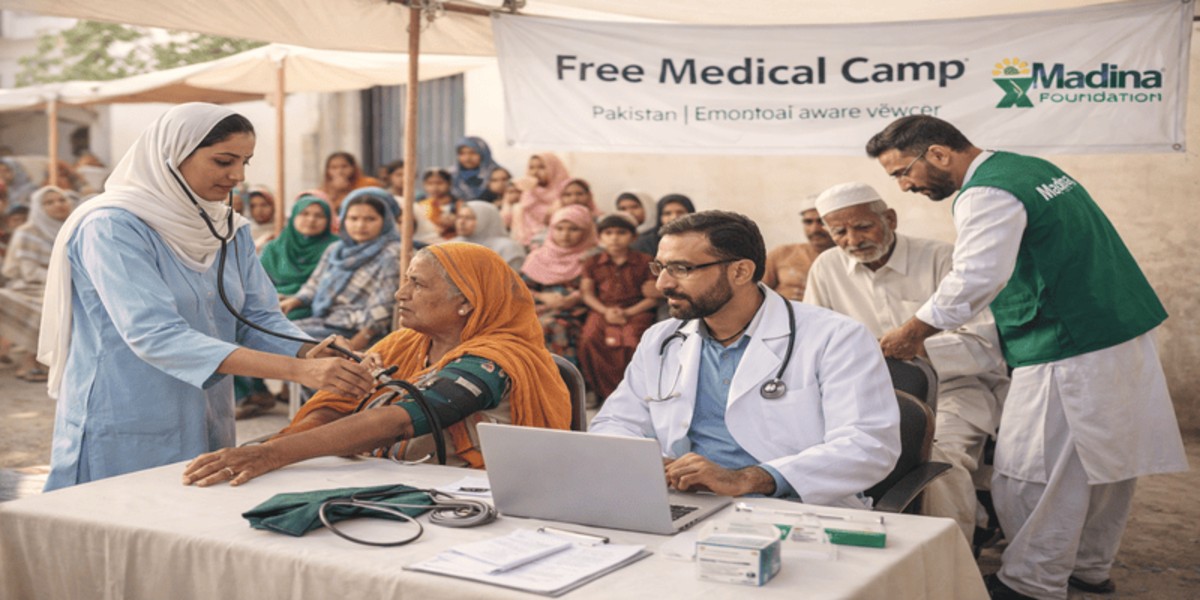
Organizations focused on healthcare equality are changing lives. When people learn about services through platforms like About Us and Discover Us, they gain trust and awareness of available support. Mobile clinics, awareness campaigns, and healthcare camps are some of the tools used to ensure that basic medical services reach those in need.
Initiatives under In-Doing Projects prioritize screenings, vaccinations, maternal and child health, and chronic disease management. These efforts not only treat illness but also educate families about preventive care, nutrition, and hygiene practices.
Through events and shared experiences highlighted in News & Events, communities see that they are not alone in their struggles. Healthcare professionals, volunteers, and donors come together to take action and create long-term solutions rather than temporary fixes.
Patients who once felt helpless now know where to seek care. Children receive vision and dental check-ups for the first time. Women in rural regions have access to safe maternity consultations. These are not isolated victories — these are steps toward a more equitable healthcare landscape.
Healthcare inequality will not disappear overnight, but by listening to the real stories of those affected and by continuing compassionate work at the community level, meaningful change is possible. It requires collaboration, awareness, and persistent effort to ensure that every person — regardless of income or location — has access to quality medical care.
The ground reality of healthcare inequality in Pakistan calls for empathy, informed action, and sustainable interventions. Together, we can turn disadvantage into opportunity and ensure that health and dignity are accessible to all. Read more