Date: Jul 18, 2026
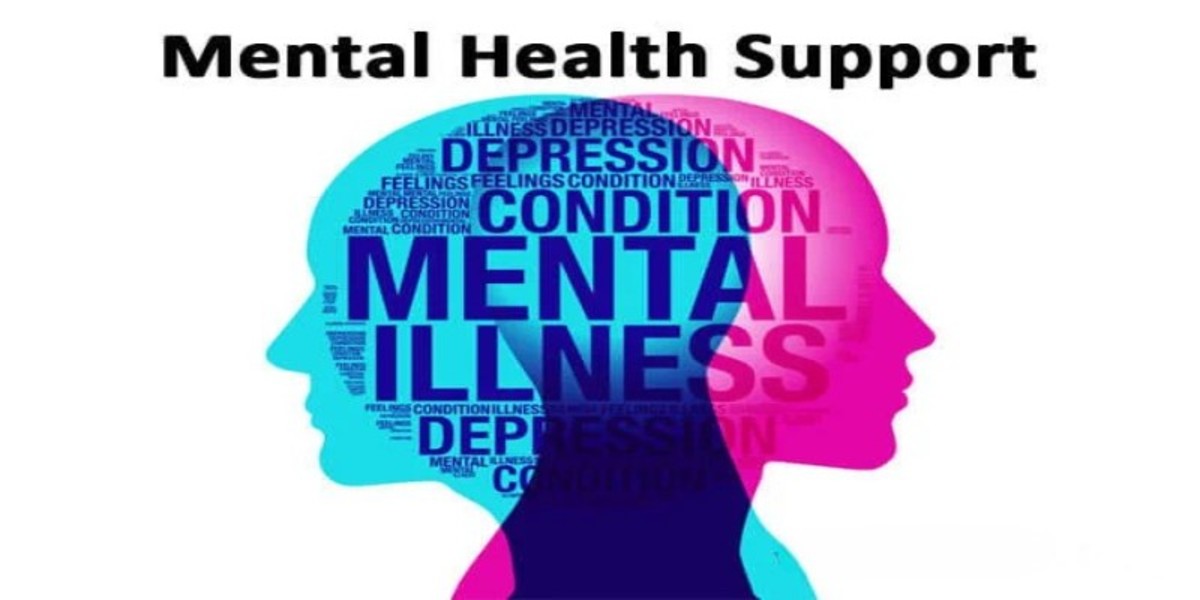
When we discuss public health challenges in vulnerable neighborhoods, the conversation usually centers entirely on physical survival, nutrition, and clean water. For decades, the invisible burden of psychological distress, chronic anxiety, and severe depression has been completely ignored in low-income populations. In underserved communities, severe mental health struggles are often dismissed as simple behavioral flaws or met with social exclusion, leaving millions to suffer in complete silence without a formal diagnosis or therapeutic relief. Breaking this deeply rooted social stigma is no longer just a luxury for the privileged; it is an urgent medical necessity for national public health.
The cycle of poverty itself acts as a massive trigger for psychological disorders, creating an environment filled with constant financial strain and uncertainty. To combat the foundational health inequalities feeding this crisis, charitable organizations must step up to deliver comprehensive wellness solutions directly to those who cannot afford basic medical access. This holistic approach to community care is anchored by the specialized resources available through the Free Health Care Facilities at MTH, where thousands of underprivileged individuals receive professional medical care and clinical diagnostic evaluations completely free of charge. By integrating psychiatric support into mainstream general medicine, patients can seek help without facing standard social judgments.
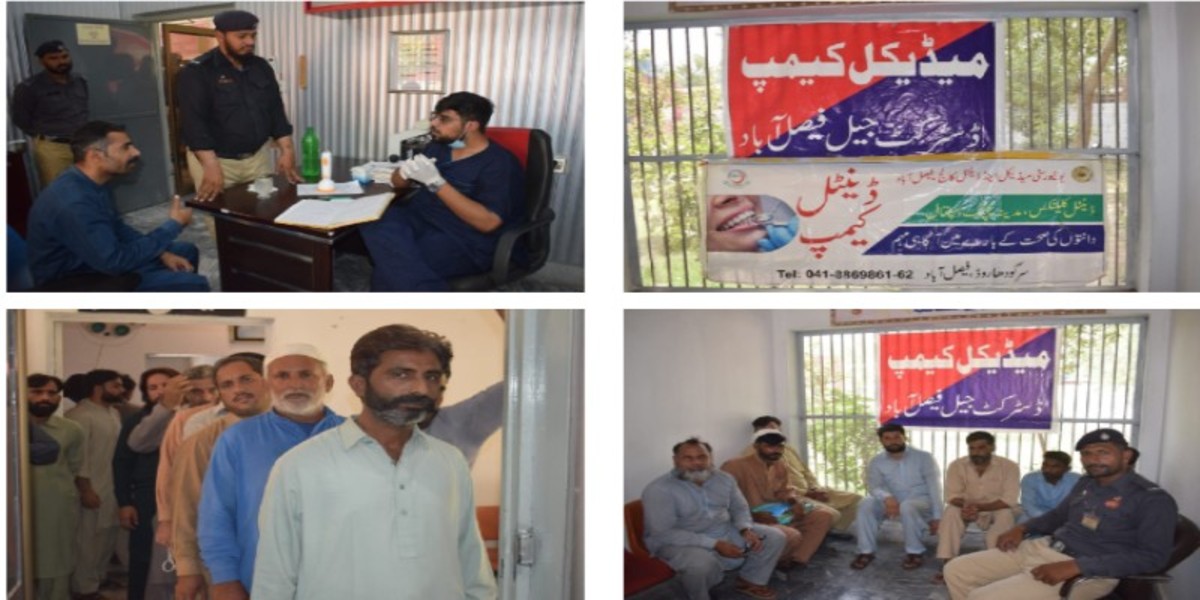
The hardest part of managing mental health in remote or impoverished territories is the absolute lack of local healthcare infrastructure. When families are forced to choose between buying daily groceries and paying for transportation to a city hospital, mental health treatments are always abandoned. To overcome these deep geographic and economic barriers, mobile outreach teams must actively transport psychiatric evaluations directly into marginalized rural areas and central prisons. This localized strategy is actively executed through regular Free Health Camps, which bring dedicated medical specialists, free prescriptions, and psychological counseling directly to overcrowded, low-income communities.
Alongside direct clinical treatments, target communities need continuous, open education to unlearn destructive cultural myths regarding psychological trauma. Many families mistakenly view mental breakdowns as spiritual shortcomings rather than treatable clinical conditions, which stops them from seeking scientific interventions until it is too late. To proactively counter this dangerous misinformation, community advocates regularly organize structured Awareness Seminars for Epidemics and public health crises. These focused public gatherings teach communities how chronic psychological stress damages physical immunity, making people much more vulnerable to infectious physical outbreaks and chronic physical illnesses.
A truly resilient healthcare ecosystem understands that mental stability directly impacts physical recovery and community-wide volunteer networks. When an individual achieves emotional stability and handles their internal anxiety, they naturally become active, helpful contributors to the social welfare of those living around them. This powerful link between personal health and social responsibility is perfectly displayed by young student volunteers working with the Blood Donor’s Society. These young individuals give up their personal time to organize lifesaving blood collection drives, proving that emotionally secure, motivated citizens are always the strongest foundation for nationwide humanitarian support.
Ultimately, we can never achieve true health equity in Pakistan if we continue to treat mental health as a secondary issue. True community healing requires us to look past superficial physical symptoms and address the underlying psychological distress caused by poverty and institutional neglect. By expanding free healthcare access, conducting mobile camps, and removing social shame, we can save vulnerable lives from the devastating grip of hidden trauma. Normalizing mental health support within our philanthropic systems ensures that every citizen, regardless of their financial status, has the equal right to live a life filled with dignity, peace, and total health security