Date: Apr 05, 2026
Introduction
Access to healthcare is a basic human right, but in many prisons, including those in Pakistan, medical facilities are often limited, under-resourced, and overcrowded. In such conditions, inmates become highly vulnerable to infectious diseases and untreated health issues.
Free medical camps organized by welfare organizations play a vital role in improving this situation by bringing healthcare directly inside prisons. At Madina Foundation, such initiatives are part of a broader mission to serve humanity and support marginalized communities.
The Healthcare Challenges Inside Pakistani Jails
Pakistani jails face several serious healthcare challenges, including overcrowding, poor sanitation, and limited medical staff. These conditions create an environment where diseases such as skin infections, tuberculosis, hepatitis, and respiratory issues can spread rapidly.
In many cases, inmates do not receive timely medical attention due to lack of resources and medical infrastructure. This is where external support becomes extremely important.
Role of Free Medical Camps in Prison Healthcare
Free medical camps inside jails help bridge the gap between demand and limited healthcare facilities. These camps provide:
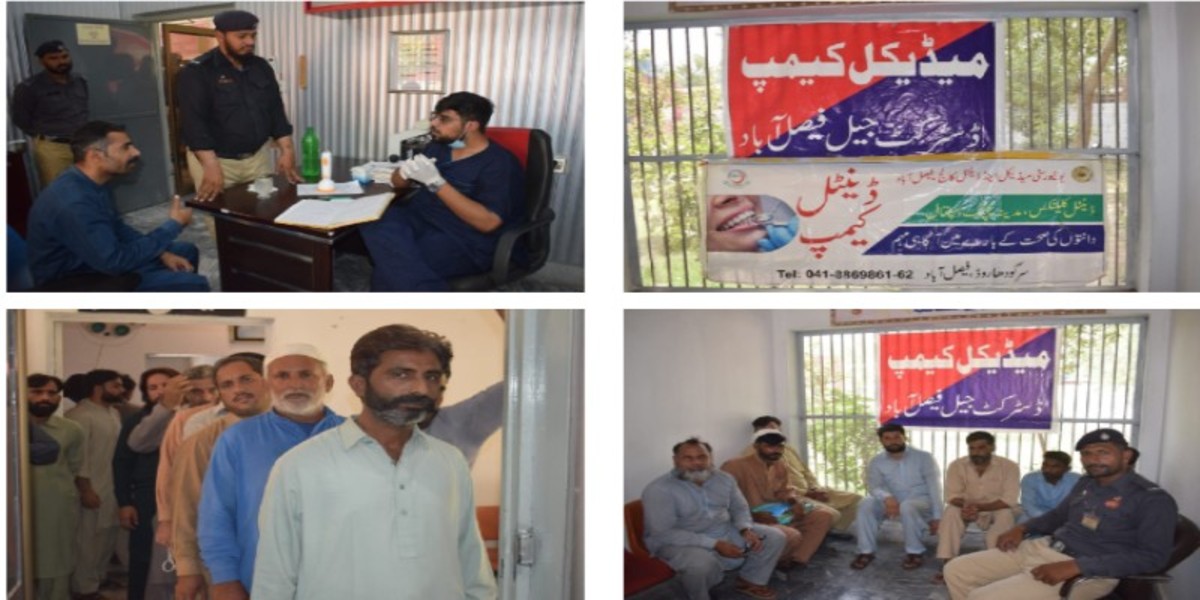
Organizations like Madina Foundation have actively contributed by organizing such camps in prisons, ensuring that inmates receive proper medical attention and care. For example, a medical camp organized in District Jail Faisalabad provided check-ups, treatment, and awareness about disease prevention to prisoners.
Free medical camps help identify health problems early, preventing complications and reducing disease spread inside overcrowded prisons.
By treating contagious diseases on time, camps help reduce the overall infection rate among inmates.
Medical teams also educate prisoners about hygiene practices, which play a key role in preventing illness outbreaks.
These camps support jail medical staff by reducing pressure on limited healthcare resources.
Madina Foundation’s Commitment to Healthcare Services
Madina Foundation continues to play an active role in improving healthcare access for vulnerable communities, including prisoners. Their work is aligned with their broader vision and humanitarian approach.
To learn more about their goals and initiatives, OUR MISSION,
Through such efforts, the foundation aims to ensure dignity, care, and equal access to healthcare for all individuals, regardless of their circumstances.
Free medical camps inside Pakistani jails significantly improve healthcare conditions by providing essential medical services, reducing disease spread, and supporting under-resourced prison systems. These initiatives not only save lives but also bring dignity and hope to one of the most neglected segments of society. Organizations like Madina Foundation continue to prove that humanitarian healthcare can create meaningful and lasting impact