Date: May 08, 2026
Introduction
Mental health is an essential part of overall well-being, yet it remains one of the most overlooked areas of healthcare in Pakistan. Stress, anxiety, depression, and trauma affect millions of people, especially those facing poverty, unemployment, or lack of access to proper healthcare facilities. In recent years, community welfare organizations have started playing a vital role in raising awareness about mental health and providing support systems for vulnerable individuals.
These organizations are not only addressing physical health issues but are also working to break the stigma surrounding mental illness through education, medical outreach, and community support programs.
Mental health awareness is crucial because it helps people recognize early signs of psychological distress and encourages them to seek help. In many communities, mental health issues are still misunderstood or ignored, which leads to worsening conditions over time.
Welfare organizations are actively working to change this mindset by organizing awareness campaigns, counseling support programs, and free medical camps. These initiatives help people understand that mental health is just as important as physical health.
Community welfare organizations act as a bridge between underserved populations and healthcare services. They provide access to basic healthcare, emotional support, and medical treatment for people who cannot afford private services.
One of the key contributions of these organizations is providing Shelter for the Homeless, where individuals facing extreme poverty and distress are given not only a safe place to stay but also emotional and psychological support. Homeless individuals are often at higher risk of mental health issues due to instability, trauma, and social isolation.
By addressing both physical and emotional needs, shelters help individuals regain stability and confidence in their lives.
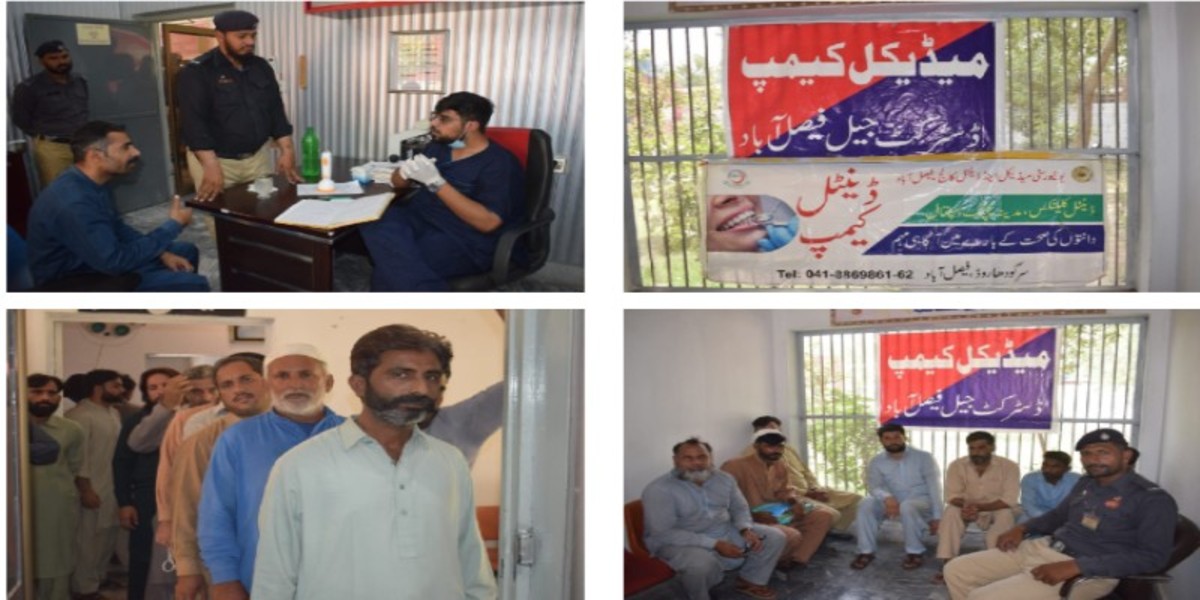
Medical outreach programs play a major role in identifying and supporting individuals with mental health challenges. Initiatives like Madinah Eye Camp are examples of how welfare organizations bring healthcare services directly to communities.
Although eye camps primarily focus on vision care, they also serve as an entry point for broader health screenings, including mental health awareness. During such camps, healthcare professionals interact with patients, identify stress-related symptoms, and guide them toward proper treatment options.
Similarly, Madinah Medical Center – The second Step in Medical treatment provides continued healthcare support after initial diagnosis. This continuity of care is very important for mental health patients, as recovery often requires long-term treatment, counseling, and follow-up care.
Mental health is deeply connected with physical health. Patients suffering from chronic illnesses often experience stress, anxiety, or depression. Likewise, untreated mental health conditions can lead to physical health problems such as sleep disorders, high blood pressure, and weakened immunity.
Welfare organizations understand this connection and are increasingly adopting a holistic approach to healthcare. By combining physical treatment with emotional support, they ensure better recovery outcomes for patients.
Despite progress, there are still several challenges in promoting mental health awareness in Pakistan. Social stigma remains one of the biggest barriers. Many people hesitate to seek help due to fear of judgment or misunderstanding.
Another challenge is the shortage of trained mental health professionals in rural and underdeveloped areas. This makes it difficult for patients to access proper counseling and treatment.
Financial constraints also prevent many individuals from seeking long-term care, especially in private healthcare systems.
Community welfare organizations are addressing these challenges by providing free or low-cost healthcare services, mobile medical units, and awareness campaigns.
Through shelters, medical camps, and healthcare centers, they are creating safe spaces where individuals can openly discuss their mental health issues without fear.
Programs like Shelter for the Homeless not only provide physical safety but also emotional stability, helping individuals rebuild their lives.
Education is a powerful tool in changing perceptions about mental health. Welfare organizations conduct seminars, workshops, and community meetings to educate people about the importance of mental well-being.
These campaigns encourage early diagnosis and treatment, which significantly improves recovery rates. By spreading awareness, organizations help reduce stigma and promote a healthier society.
The future of mental health support in Pakistan depends on continued investment in healthcare infrastructure and awareness programs. With the help of welfare organizations, government initiatives, and community participation, mental health services can become more accessible and effective.
Digital health platforms and telemedicine are also emerging as important tools for providing remote counseling and support, especially in rural areas.
Community welfare organizations play a crucial role in supporting mental health awareness in Pakistan. Through initiatives like Shelter for the Homeless, Madinah Eye Camp, and Madinah Medical Center – The second Step in Medical treatment, they are addressing both physical and psychological health needs.
By promoting awareness, reducing stigma, and providing accessible healthcare services, these organizations are helping build a healthier and more compassionate society. Mental health care is no longer a luxury—it is a necessity, and welfare organizations are leading the way in making it accessible to all