Date: Jul 25, 2026
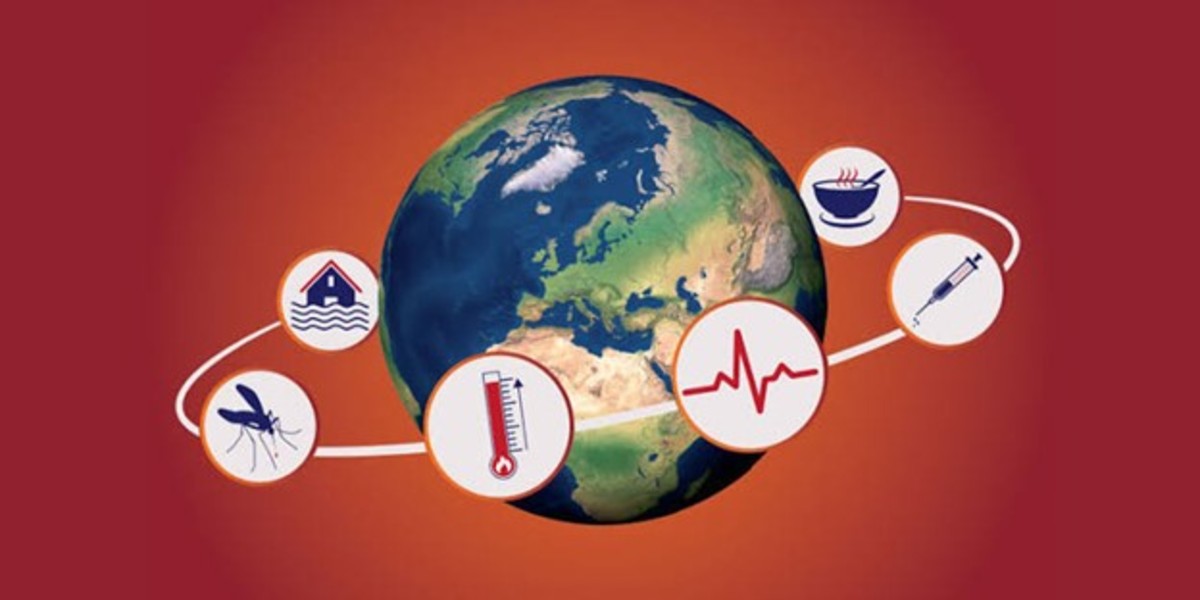
The shifting global weather patterns have triggered unprecedented environmental crises across South Asia, putting the poorest populations at immediate risk. In Pakistan, massive floods, unpredictable heatwaves, and seasonal shifts are drastically destroying infrastructure, leaving vast rural landscapes underwater or severely parched. As agricultural regions struggle with these erratic shifts, the lack of clean resources transforms seasonal weather changes into full-blown emergency medical crises, making environmental advocacy a core component of humanitarian work.
This complex intersection between changing weather patterns and public survival requires heavy financial backing and strategic relief deployment across vulnerable sectors. The massive infrastructure restoration and medical logistics needed to combat these environmental shifts are driven by the philanthropic network at the Madina Foundation. By prioritizing sustainable human welfare, the trust pours extensive resources into emergency rescue operations and mobile drinking water filtration plants. This consistent financial backing ensures that rural families hit by climate disasters receive immediate survival support right at their doorsteps.
When massive monsoons flash through rural territories, the local sanitation infrastructure is completely overwhelmed, leading to catastrophic public health failures. The mixing of standard sewage into primary drinking water channels creates an ideal breeding ground for hazardous bacteria, viral infections, and severe intestinal parasites. Without immediate intervention, isolated villages quickly become centers for devastating cholera, typhoid, and acute diarrheal outbreaks that threaten entire family units within a matter of days.
To systematically counter these rising water hazards, specialized educational centers are actively developing targeted research and trained public health teams. This specialized training framework is spearheaded by the medical experts at the UMDC, where young doctors and clinical investigators analyze regional outbreak patterns. By studying how shifting temperatures impact water safety, the institution ensures that its graduates are fully equipped with the specialized practical knowledge needed to treat complex infections in underserved rural wards.
The true tragedy of climate-induced illnesses lies in the deep financial barriers that prevent impoverished laborers from obtaining basic clinical treatment. When a rural breadwinner falls critically ill due to a waterborne disease, the combined burden of high medical costs and lost daily wages pushes the entire household deeper into financial ruin. Removing these crushing financial barriers is essential to prevent temporary environmental displacements from turning into permanent economic destruction for vulnerable populations.
To bridge this economic divide, dedicated welfare programs ensure that medical aid and preventive education remain entirely accessible to the public. This critical safety net is systematically managed through the Free Education to Eliminate Poverty initiatives, which extend their impact beyond standard classrooms into public health literacy. By funding training programs for rural healthcare workers, the initiative ensures that local communities learn how to purify water, practice basic hygiene, and treat early symptoms before they escalate into fatal conditions.
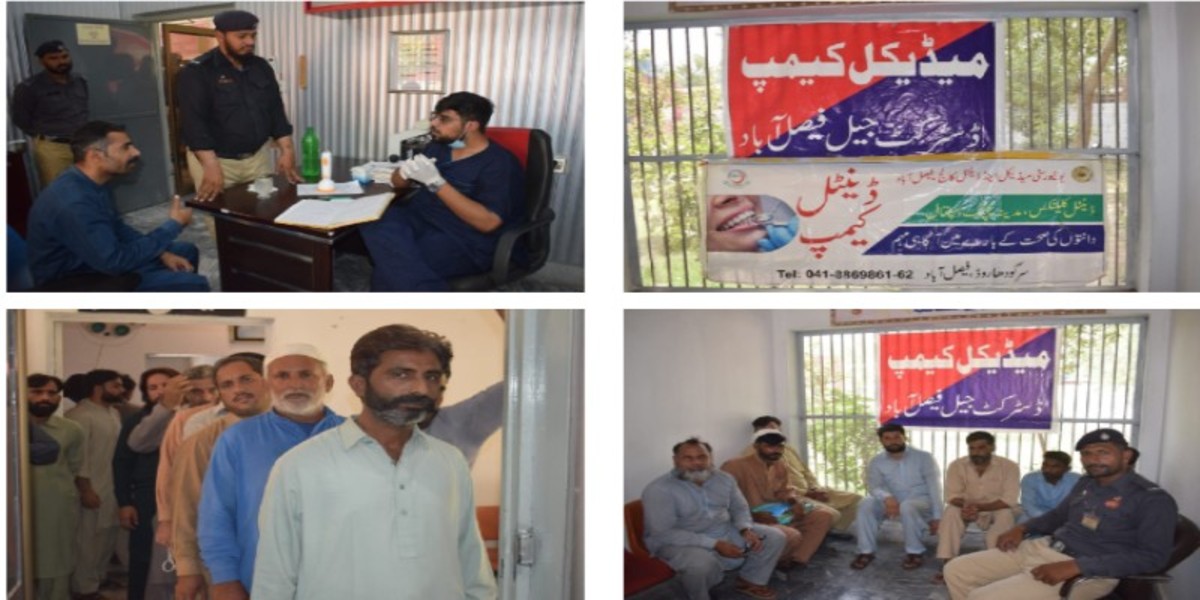
When climate disasters strike isolated regions, the greatest challenge is the absolute physical breakdown of local roads and healthcare clinics. Expecting sick patients to travel miles to central hospitals during severe floods is unrealistic, making direct mobile medical intervention the only viable option to save lives. Specialized field clinics must be rapidly deployed to provide onsite diagnostics, clean hydration kits, and life-saving antibiotics directly to displaced families.
These vital field missions and real-time medical updates from affected rural territories are thoroughly documented to raise global awareness. To explore active field case studies, volunteer updates, and comprehensive student deployment reports from these disaster zones, you can browse our blog section. These firsthand accounts highlight the resilience of frontline medical teams as they build temporary treatment wards and bring clean drinking water to the most remote corners of the country.
Ultimately, mitigating the health impacts of climate change requires a unified approach combining environmental strategy, free healthcare access, and dedicated public charity. By protecting rural drinking sources and delivering free, high-quality medical care to disaster-hit populations, we can break the dangerous cycle of climate-induced disease and deep poverty. Investing heavily in sustainable sanitation networks and female medical leadership is the most effective way to protect our vulnerable communities, ensuring a healthier, self-reliant, and highly resilient Pakistan