Date: Aug 20, 2026
Artificial Intelligence (AI) and digital technology are reshaping global economies, transforming industries, and redefining workforce requirements at an unprecedented pace. For a country like Pakistan, where over 60% of the population comprises young people, this digital transition presents both a massive opportunity and a critical challenge.
While urban youth increasingly gain access to high-speed internet, coding bootcamps, and AI tools, millions of underprivileged youth risk being left behind. Closing this digital divide through targeted digital literacy initiatives is no longer just an educational goal; it is an economic imperative for Pakistan's future.
The rapid integration of AI into everyday applications, automation, and remote work platforms means that basic computer operation is no longer enough. Tomorrow’s job market demands computational thinking, data literacy, and the ability to interact with automated systems.
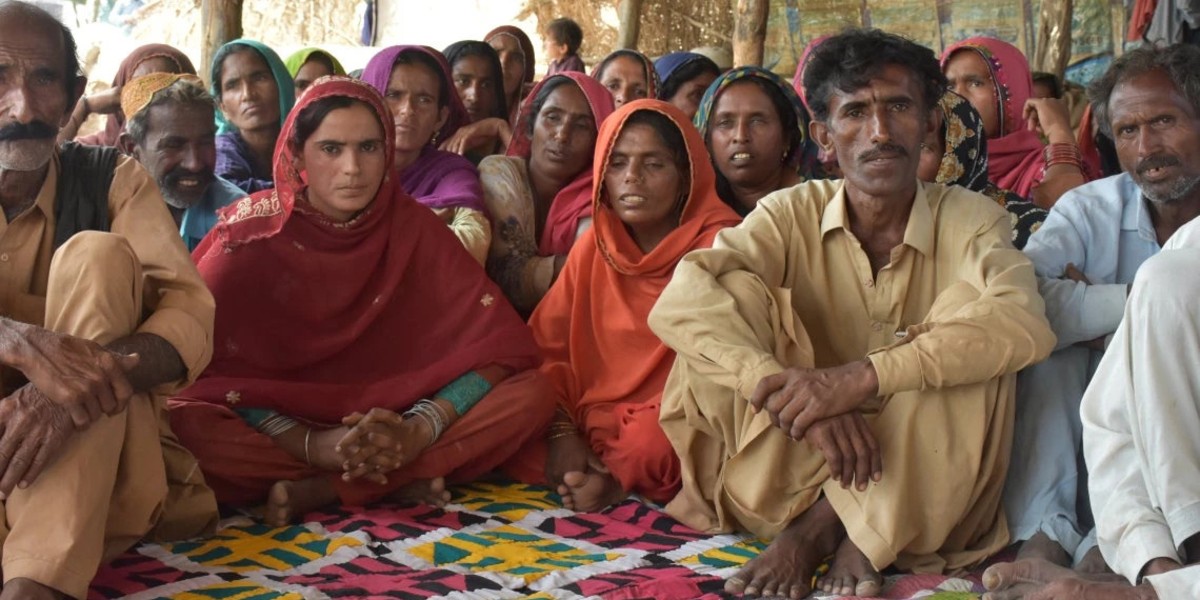
Youth in rural and low-income urban areas often face significant barriers, including limited access to functional computer labs, unstable internet infrastructure, and a lack of trained ICT educators. Without structured intervention, this gap widens the socio-economic divide, restricting talented youth to low-skilled labor.
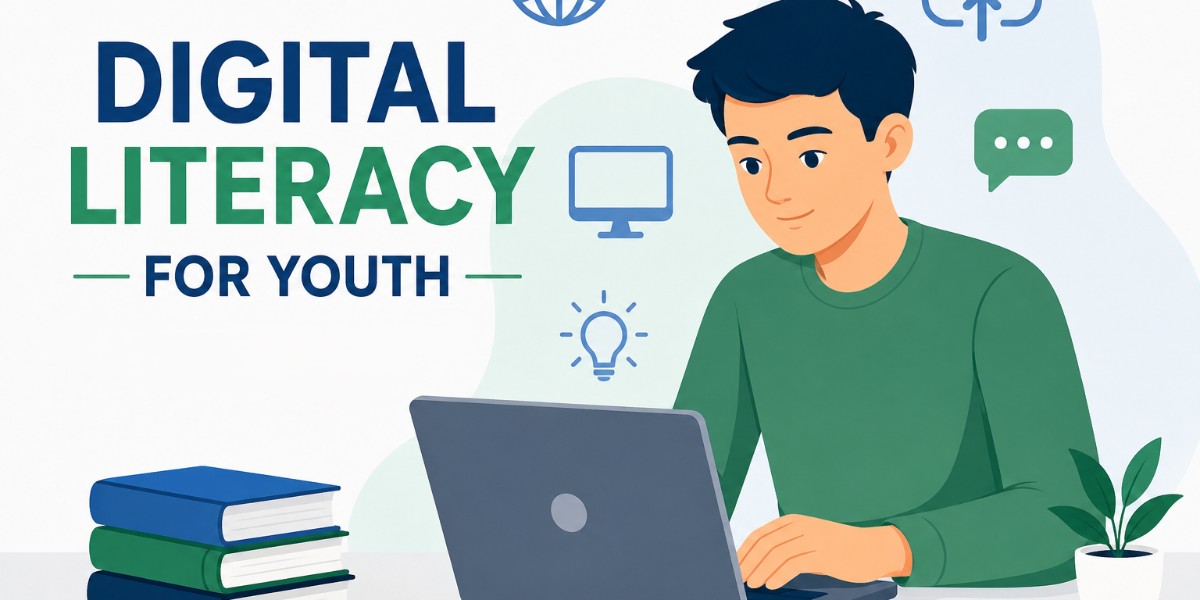
To participate meaningfully in the global digital economy, whether through freelancing, software development, or digital services, underprivileged youth require early exposure to foundational digital skills. Equipping young minds with internet navigation, basic programming concepts, and safe online practices creates a level playing field for future career growth.
Providing digital literacy to underprivileged communities requires a holistic approach that combines infrastructure, financial support, and community development. Education cannot flourish when basic survival and health needs remain unmet.
For many talented students from marginalized backgrounds, the cost of educational materials, tuition, and technical training remains prohibitive. Philanthropic initiatives and dedicated financial assistance programs play a vital role in keeping promising students in school and enabling them to pursue higher technical education. Organizations supporting youth empowerment through structured Scholarship programs help ensure that financial constraints do not limit a student’s academic or technological potential.
Disruptions caused by natural disasters, economic crises, or sudden emergencies frequently force underprivileged children out of school. Establishing robust community support frameworks through comprehensive Disaster and Emergency Relief efforts helps stabilize vulnerable households during crises, ensuring that educational trajectories and digital learning programs remain uninterrupted.
A truly effective youth development model addresses the whole individual, balancing modern technological training with community healthcare and cultural respect.
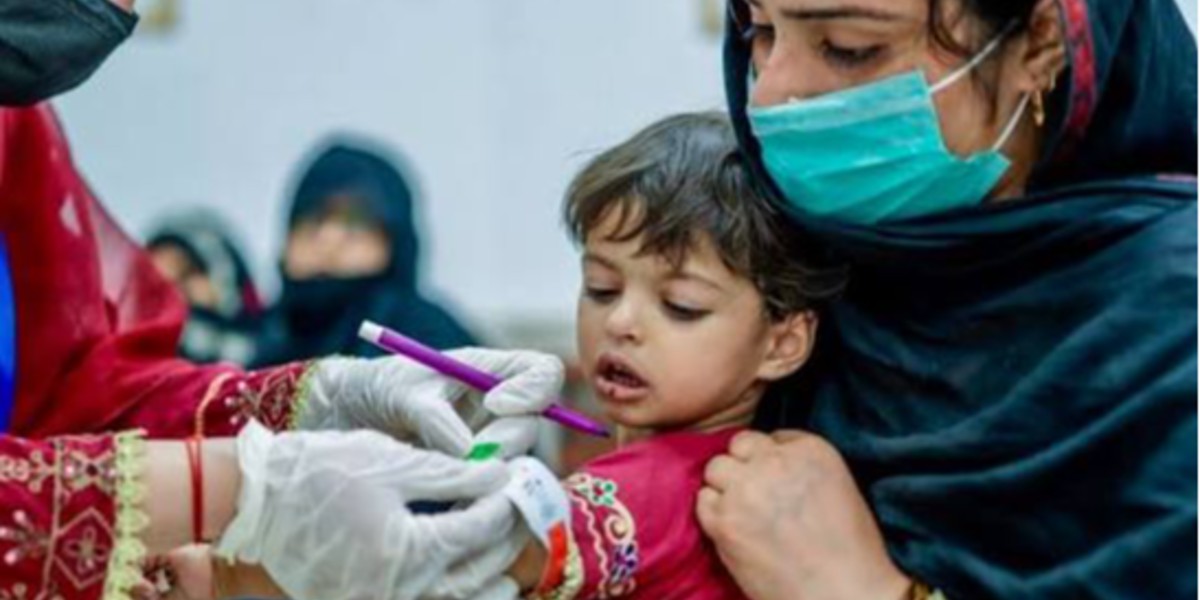
Sight impairment and preventable eye conditions often go undetected in underserved regions and severely hinder a student's ability to read, use screens, and absorb digital learning material. Mobile health interventions, such as the specialized Madinah Eye Camp, provide critical vision care and medical screenings to rural communities, enabling young learners to participate fully in modern, screen-based educational environments.
As Pakistan’s youth embrace global technology platforms, maintaining a connection to local values, ethical responsibility, and cultural heritage remains essential. Community-led social and spiritual initiatives, such as TAHUFFUZ-E-MUQADDAS AURAQ, demonstrate the importance of preserving sacred traditions and respecting the environment while building a modern, forward-thinking society.
Preparing Pakistan’s underprivileged youth for the AI era cannot be achieved by any single sector alone. It demands a coordinated effort involving government bodies, non-profit organizations, educational institutions, and private enterprises.
The AI era carries immense potential to uplift Pakistan's economy, but its benefits must be accessible to all, regardless of socio-economic background. By combining modern digital literacy with holistic community support, health infrastructure, and educational sponsorship, Pakistan can transform its demographic majority into a skilled, resilient, and globally competitive workforce