Date: Jun 08, 2026
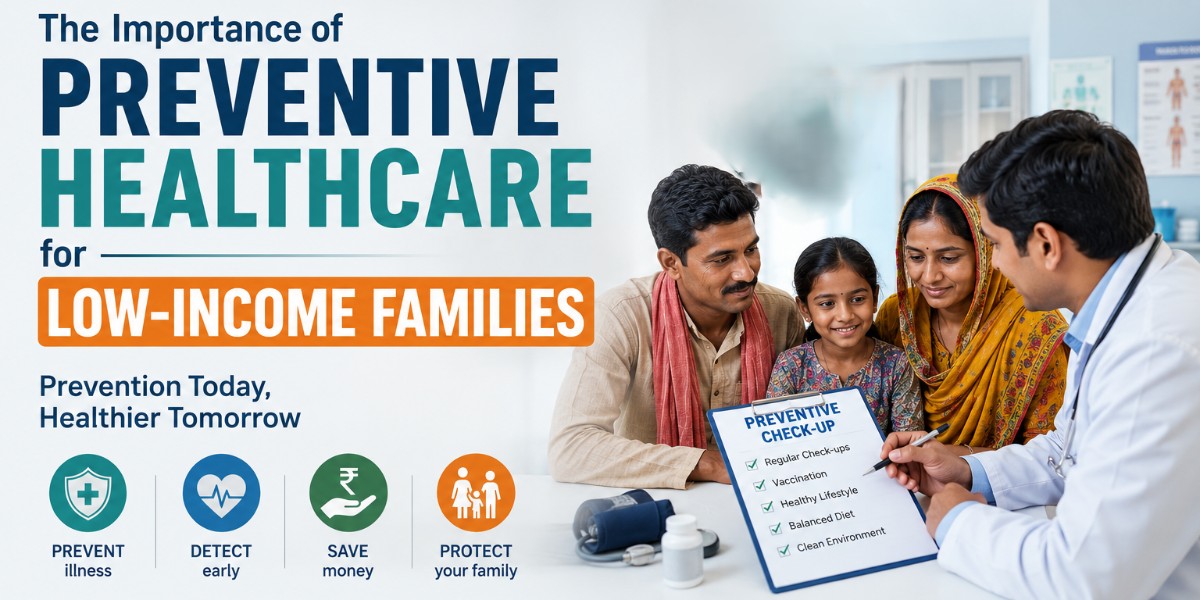
Preventive healthcare is one of the most effective ways to improve public health, especially for low-income families who often struggle to afford expensive medical treatment. Instead of waiting until illnesses become severe, preventive healthcare focuses on avoiding diseases through regular checkups, vaccinations, health education, proper nutrition, and healthy lifestyle choices. For families with limited financial resources, preventing illness is often far more affordable than treating advanced medical conditions. Community healthcare initiatives, such as the Madinah Medical Center – The Second Step in Medical Treatment, help make quality healthcare services more accessible, ensuring that vulnerable individuals receive timely medical attention before health problems become life-threatening.
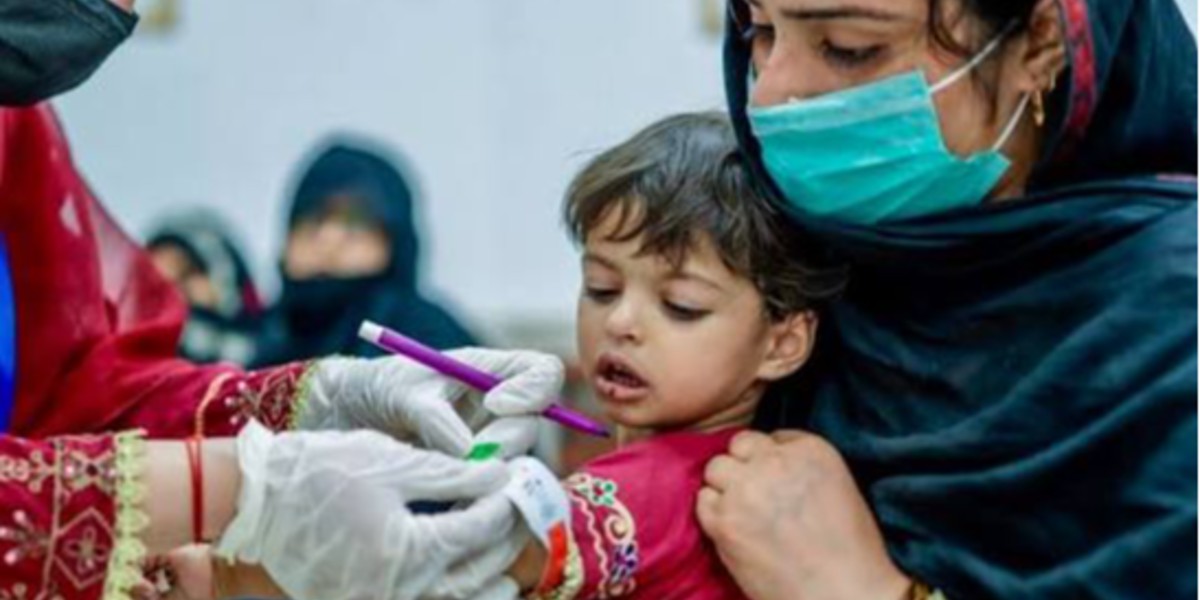
Preventive healthcare includes medical services and healthy practices designed to reduce the risk of disease before symptoms appear. These services include routine health screenings, vaccinations, maternal care, child immunization, nutrition counseling, blood pressure monitoring, diabetes screening, and health awareness programs.
By identifying health problems early, preventive care allows doctors to provide timely treatment, reducing complications and improving long-term health outcomes. Research consistently shows that preventive healthcare lowers healthcare costs while improving overall community health.
Families living on limited incomes often postpone medical treatment because of financial constraints. Many people seek healthcare only when illnesses become serious, resulting in higher treatment costs and longer recovery periods.
Preventive healthcare helps low-income families by:
Early diagnosis allows families to manage medical conditions before they become emergencies, reducing both emotional and financial stress.
Healthcare is not limited to hospitals and medicines. Access to clean drinking water, proper sanitation, and good hygiene practices plays a major role in preventing disease. Waterborne illnesses, poor sanitation, and inadequate hygiene continue to affect many underserved communities across Pakistan.
Simple practices such as handwashing, safe drinking water, and improved sanitation can significantly reduce the spread of infections and improve overall community health. Initiatives like Water, Sanitation & Hygiene support healthier communities by promoting clean water access and better hygiene practices, helping families prevent illnesses before they occur.
Medical emergencies can place enormous financial pressure on low-income households. Hospitalization, medicines, diagnostic tests, and transportation often consume a large portion of a family's income.
Preventive healthcare reduces these costs by identifying health problems early and encouraging healthy habits that lower the risk of chronic diseases such as diabetes, hypertension, and heart disease. Investing in prevention benefits both families and the healthcare system by reducing avoidable medical expenses.
Health education is one of the most powerful preventive tools available. Many illnesses can be avoided simply by increasing public awareness about nutrition, vaccinations, maternal healthcare, exercise, personal hygiene, and regular medical checkups.
Community awareness campaigns encourage individuals to seek medical advice before illnesses become severe. They also help dispel misconceptions about healthcare and promote healthier lifestyles among children and adults alike.
Many low-income households struggle to prioritize healthcare while also paying for food, housing, education, and daily living expenses. Financial assistance programs help reduce this burden by enabling families to focus on maintaining their health without sacrificing other basic needs.
The Monthly Hardship Support Program assists vulnerable families facing economic challenges, allowing them to better manage essential expenses while improving access to healthcare and other basic necessities. Financial support combined with preventive healthcare creates stronger, healthier, and more resilient communities.
Preventive healthcare is a long-term investment in the well-being of individuals and society. Governments, healthcare providers, charitable organizations, and local communities all have important roles in expanding access to preventive services.
Increasing the availability of health screenings, vaccination programs, clean water initiatives, nutrition education, and affordable primary healthcare can significantly reduce disease rates and improve the quality of life for millions of Pakistanis.
Community-based healthcare models continue to demonstrate that prevention is not only more effective than treatment but also more affordable for families with limited financial resources.
Preventive healthcare offers one of the most practical solutions for improving the health of low-income families in Pakistan. By focusing on early detection, health education, sanitation, regular medical checkups, and community support, preventable diseases can be reduced before they become serious medical problems. Strengthening preventive healthcare services alongside financial assistance and community welfare initiatives creates healthier families, reduces healthcare costs, and contributes to a stronger and more prosperous society