Date: Jun 24, 2026
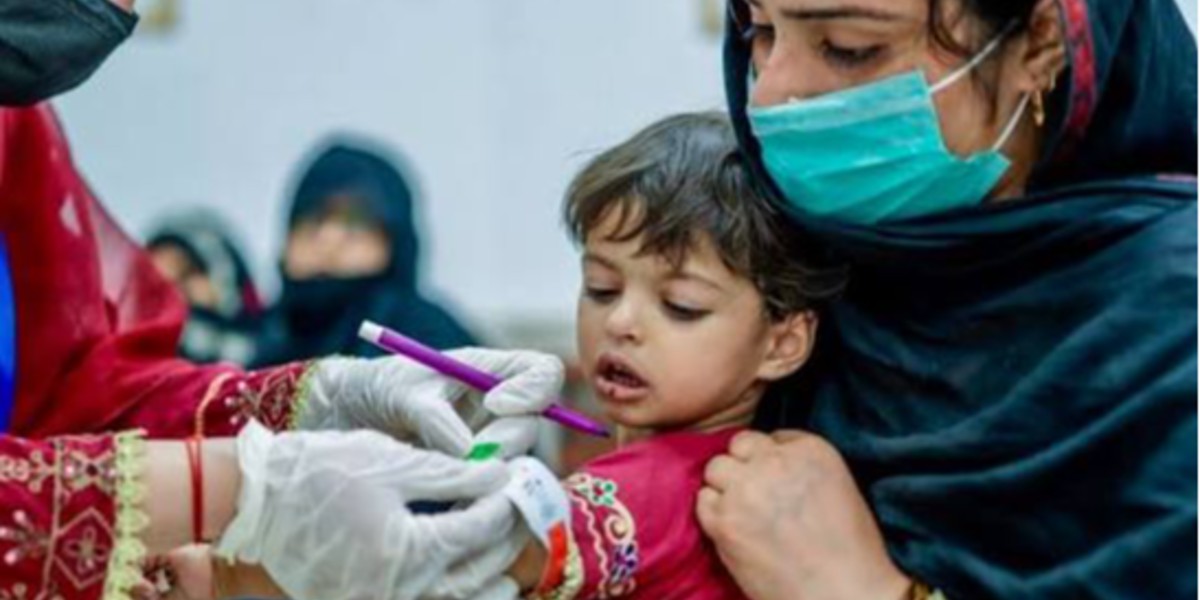
Medical emergencies can happen without warning, placing enormous emotional and financial pressure on families. Serious illnesses, accidents, surgeries, or natural disasters often require immediate medical attention, and many low-income households in Pakistan struggle to afford treatment. The burden of hospital bills, medicines, transportation, and loss of income can quickly push vulnerable families deeper into poverty. In these difficult moments, charitable organizations become a source of hope by providing healthcare assistance, financial support, food, education, and rehabilitation services. Initiatives such as the Mass Nutrition Program help families recover by ensuring patients and children receive proper nutrition, which is essential for healing and long-term health.
A medical emergency affects much more than physical health. Many families are forced to borrow money, sell valuable possessions, or postpone other essential expenses to pay for treatment. When the primary earner becomes ill or injured, household income may stop completely, making recovery even more challenging.
For low-income families, even a short hospital stay can create financial hardship that lasts for months or years. This is why community support and charitable assistance play such an important role during recovery.
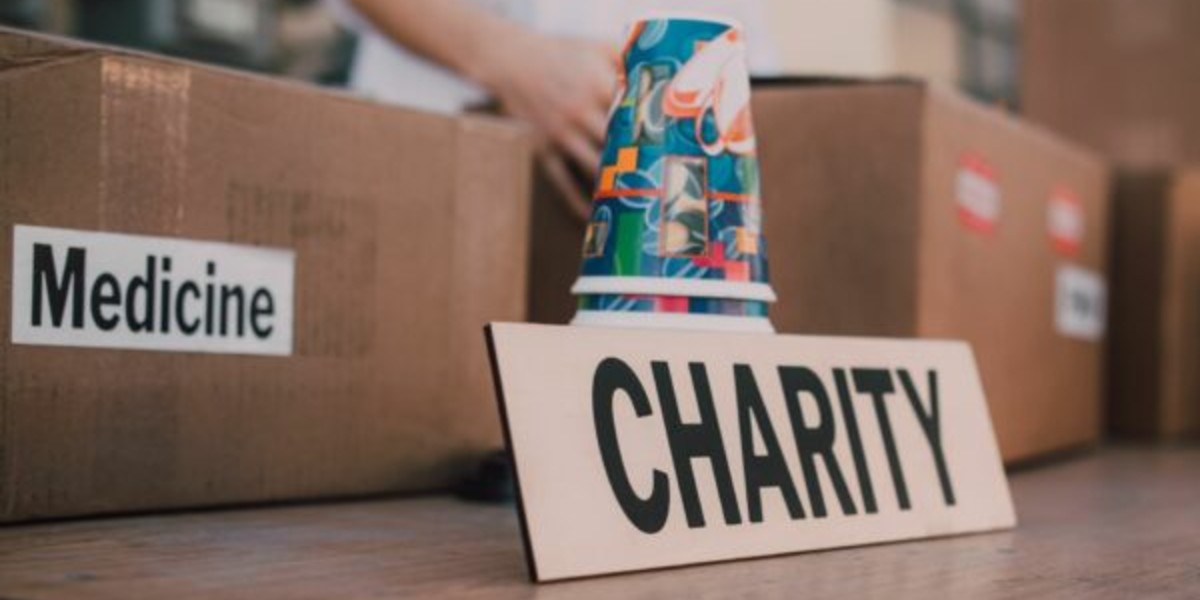
Non-profit organizations respond quickly during medical emergencies by offering practical assistance that helps reduce the burden on affected families.
Common forms of support include:
These services allow families to focus on recovery instead of worrying about overwhelming financial pressures.
Proper nutrition is a critical part of healing after illness or surgery. Patients recovering from medical conditions require balanced meals rich in proteins, vitamins, and essential nutrients to rebuild strength and support their immune systems.
Children, pregnant women, and elderly individuals are especially vulnerable to malnutrition during times of crisis. Community nutrition programs ensure that families receive healthy food, helping improve recovery rates while reducing the risk of additional health complications.
Medical emergencies often affect everyone in a household, not just the patient. Family members may leave their jobs temporarily to provide care, children may miss school, and household expenses can become difficult to manage.
Charitable organizations recognize these wider challenges and often provide comprehensive support that extends beyond medical treatment. This holistic approach allows families to rebuild their lives with greater confidence and stability.
Financial hardship caused by medical emergencies should never prevent children from receiving an education. Many charitable organizations continue supporting students whose families are facing unexpected health crises.
Programs like Free Education to Eliminate Poverty help ensure that children can continue their studies despite economic difficulties. By protecting educational opportunities, these initiatives reduce the long-term impact of medical emergencies and help families work toward a more secure future.
Recovery is not complete when a patient leaves the hospital. Many individuals require ongoing rehabilitation, emotional support, employment assistance, and community integration before they can return to normal life.
This is especially important for vulnerable groups, including individuals who are rebuilding their lives after difficult circumstances. Programs such as the Prisoners Welfare Programs demonstrate how rehabilitation and social support can help individuals and their families regain stability, improve well-being, and successfully reintegrate into society.
Stable housing is another important factor in the healing process. Patients recovering from serious illnesses require a safe, clean, and supportive environment where they can rest and receive proper care.
Families facing homelessness or severe financial hardship often struggle to maintain healthy living conditions after medical emergencies. The Shelter Home provides temporary accommodation and essential support for individuals and families in need, creating a secure environment that promotes recovery, dignity, and hope during difficult times.
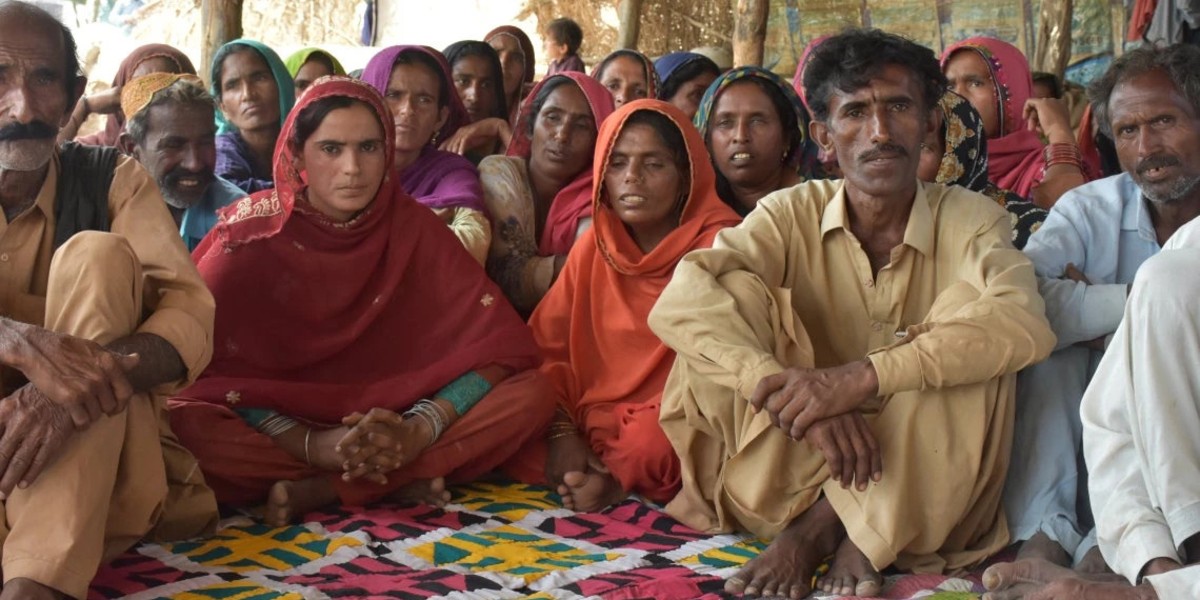
Charitable organizations strengthen communities by encouraging compassion, volunteerism, and shared responsibility. Their efforts inspire individuals, businesses, healthcare professionals, and community members to work together in supporting those facing hardship.
When communities unite to help vulnerable families, they reduce poverty, improve public health, and create opportunities for long-term social development. Every donation, volunteer effort, and welfare initiative contributes to building a healthier and more resilient society.
Medical emergencies can change a family's life in an instant, but compassionate community support can make recovery possible. Charitable organizations play a vital role by providing financial assistance, nutritional support, educational opportunities, rehabilitation services, and safe shelter to families facing difficult circumstances. Through comprehensive welfare programs and community participation, vulnerable households receive not only immediate relief but also the resources they need to rebuild their lives with confidence. Investing in compassionate healthcare and social welfare creates stronger families, healthier communities, and a brighter future for Pakistan