Date: Aug 08, 2026
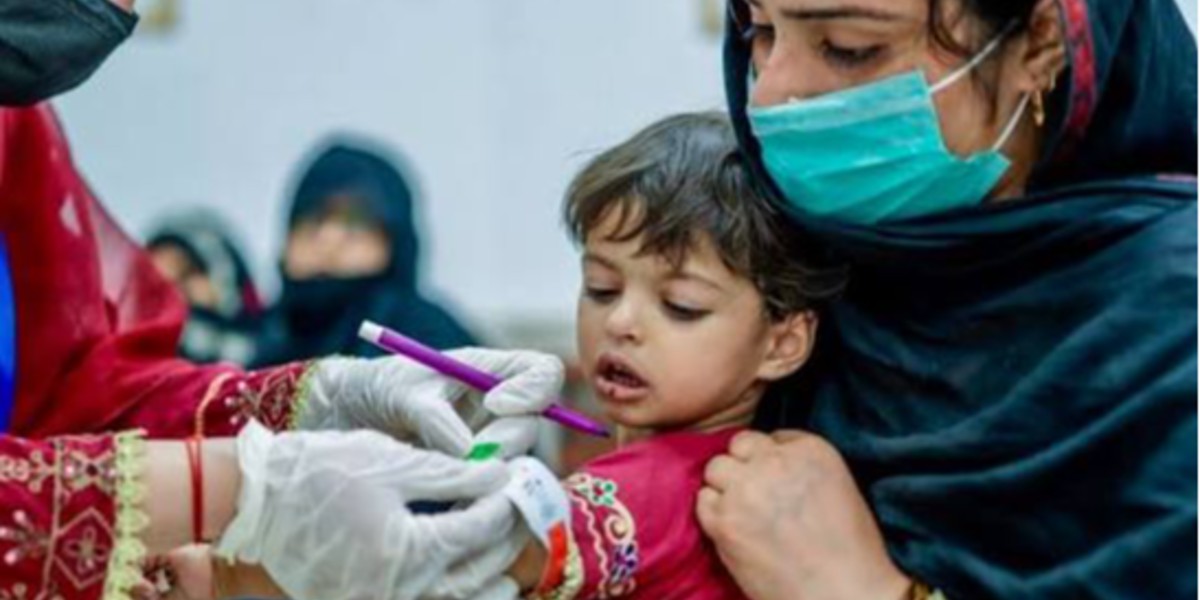
Early childhood is the most important stage of human development. During the first few years of life, children experience rapid physical growth, brain development, and immune system strengthening. Proper nutrition during this period lays the foundation for lifelong health, academic success, and overall well-being. Unfortunately, many children in Pakistan continue to face malnutrition, vitamin deficiencies, and food insecurity, affecting their ability to grow and thrive. Improving early childhood nutrition is not only a healthcare priority but also an investment in the country's future. Community initiatives such as Free Health Camps play an important role by providing medical checkups, nutritional guidance, and health screenings that help families identify and address nutritional problems before they become serious.
Early childhood nutrition refers to providing infants and young children with the nutrients they need for healthy growth and development. A balanced diet containing proteins, carbohydrates, healthy fats, vitamins, and minerals supports brain function, bone development, and a strong immune system.
Good nutrition begins during pregnancy and continues through infancy and early childhood. Breastfeeding, timely introduction of nutritious complementary foods, and maintaining a balanced diet help children reach important developmental milestones.
The first five years of a child's life are critical because the body and brain develop rapidly during this period. Poor nutrition can lead to lifelong health challenges that are often difficult to reverse.
Children who receive proper nutrition are more likely to:
Healthy children also contribute to healthier families and stronger communities.
Despite ongoing efforts to improve public health, malnutrition remains a significant challenge in many parts of Pakistan. Low-income families often struggle to provide balanced meals because of rising food costs, unemployment, and limited access to nutritious foods.
Common nutritional challenges include:
Addressing these issues requires cooperation between healthcare providers, educational institutions, charitable organizations, and local communities.
Nutrition alone is not enough to ensure healthy childhood development. Regular health checkups allow doctors to monitor children's growth, identify nutritional deficiencies, and provide timely treatment when necessary.
Community healthcare programs make these services accessible to families who may otherwise struggle to afford medical care. Routine medical examinations, vaccinations, and nutritional counseling help prevent illnesses that can interfere with healthy development.
Many nutritional problems can be prevented through education. Parents and caregivers need reliable information about breastfeeding, child feeding practices, hygiene, food preparation, and balanced diets.
Community awareness campaigns encourage families to make healthier choices while reducing misconceptions about nutrition and disease prevention.
Educational initiatives such as Awareness Seminars for Epidemics demonstrate how public awareness programs can improve community health by educating people about disease prevention, hygiene, and healthy practices. Although these seminars focus on epidemic awareness, they also promote behaviors that contribute to better overall health for children and families.
Well-nourished children are better prepared to learn, participate in school activities, and develop important life skills. Proper nutrition improves concentration, memory, and classroom performance, giving children greater opportunities for future success.
In the long term, healthier children become healthier adults who contribute more effectively to the workforce and national development. Investing in childhood nutrition, therefore, supports both public health and economic growth.
Improving child nutrition requires active participation from families, healthcare professionals, schools, volunteers, and charitable organizations. Community-based nutrition programs, school meal initiatives, health education campaigns, and regular medical screenings all contribute to healthier childhood development.
Blood donation also plays an important role in protecting children's health during emergencies, surgeries, and the treatment of serious medical conditions. Organizations such as the Blood Donor Society help ensure that safe blood is available for patients in need, including children facing life-threatening medical situations. Strong community participation strengthens healthcare systems and improves outcomes for vulnerable families.
Creating a healthier Pakistan begins by ensuring every child has access to nutritious food, clean drinking water, quality healthcare, and proper health education. Governments, charitable organizations, healthcare providers, and local communities all have important roles in supporting early childhood development.
Policies that improve food security, maternal healthcare, vaccination coverage, nutrition education, and preventive healthcare will continue to strengthen the health of future generations.
Early childhood nutrition is the foundation of a healthier and more prosperous Pakistan. Proper nutrition during the first years of life supports physical growth, brain development, disease prevention, and lifelong well-being. By combining nutritious diets with accessible healthcare, public awareness, and community support, Pakistan can reduce childhood malnutrition and create stronger families and healthier communities. Investing in children's nutrition today is an investment in the nation's future, ensuring that the next generation grows up healthier, more educated, and better prepared to contribute to society