Date: Jun 01, 2026
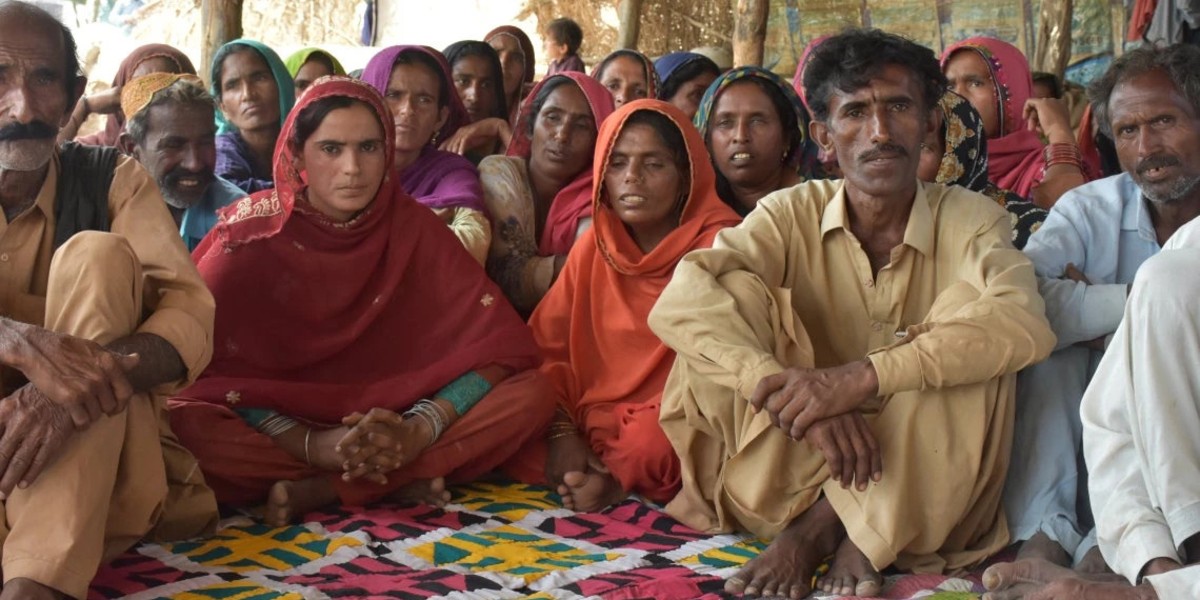
Strong communities are built on compassion, cooperation, and a shared commitment to helping those in need. In Pakistan, thousands of families face daily challenges caused by poverty, unemployment, limited educational opportunities, health issues, and natural disasters. While these problems can seem overwhelming, community support programs provide hope by offering practical assistance and opportunities for a better future. When charitable organizations, volunteers, and local communities work together, they help vulnerable families regain stability and confidence. Programs such as the Scholarship initiative enable deserving students to continue their education despite financial difficulties, helping them build brighter futures for themselves and their families. Education support is one of the most effective ways to break the cycle of poverty and create future community leaders.
Many low-income families struggle to meet their basic needs. Rising living costs, unemployment, medical expenses, and unexpected emergencies often place significant pressure on household finances. Children may leave school because of financial hardship, while adults may delay medical treatment due to limited resources.
Community support programs help reduce these burdens by providing assistance that allows families to focus on rebuilding their lives rather than simply surviving day to day.
One of the greatest gifts a community can offer is access to education. When children and young adults receive quality education, they gain the knowledge and skills needed to secure better employment opportunities and improve their family's standard of living.
Scholarship programs not only reduce financial stress but also encourage talented students to pursue higher education without worrying about tuition fees or other educational expenses. Investing in education strengthens communities by creating skilled professionals who can contribute positively to society.
Life can change unexpectedly because of floods, earthquakes, fires, or other emergencies. Families who lose their homes or livelihoods often require immediate assistance to recover.
Community organizations play a vital role by providing emergency food, medical care, temporary shelter, clean water, and rehabilitation services. These efforts ensure that affected families receive support when they need it most.
The Disaster and Emergency Relief program demonstrates how organized humanitarian efforts can respond quickly to crises by delivering rescue, relief, and rehabilitation services to disaster-affected communities. Such initiatives help families recover with dignity while restoring hope during extremely difficult circumstances.
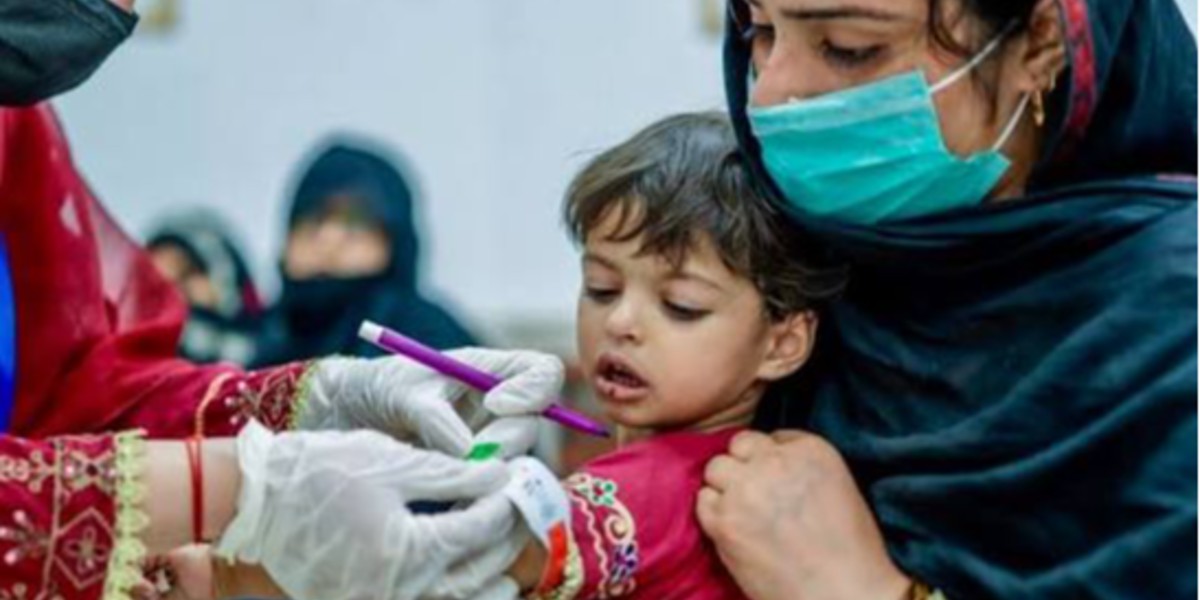
Good health is essential for every family's well-being. Unfortunately, many vulnerable communities have limited access to quality healthcare services. Free medical initiatives reduce financial barriers and allow people to receive timely treatment before illnesses become more serious.
Specialized healthcare programs also improve the quality of life for people suffering from preventable medical conditions. The Madinah Eye Camp provides free eye examinations, surgeries, and treatment for individuals who cannot afford specialized eye care. By restoring vision, these camps enable many people to return to work, continue their education, and support their families with greater independence.
Community support is not limited to financial or medical assistance. Preserving cultural and religious values also helps strengthen social unity and mutual respect.
Programs that encourage responsibility, compassion, and respect for religious traditions help create stronger communities where people work together for the common good. Such initiatives remind individuals of their shared responsibility to protect both people and values that are important to society.
Volunteers are often the backbone of community welfare programs. They dedicate their time, skills, and energy to helping people facing hardship. Whether distributing food, organizing medical camps, supporting educational initiatives, or assisting during emergencies, volunteers make a meaningful difference in countless lives.
Their efforts inspire others to participate in charitable activities and strengthen the spirit of social responsibility within communities.
Community development also includes preserving values that unite society. Initiatives such as TAHUFFUZ-E-MUQADDAS AURAQ encourage the respectful collection and preservation of worn-out sacred pages containing Quranic verses, reflecting a commitment to protecting religious sanctity while promoting public awareness and community participation. Such programs demonstrate that community welfare extends beyond material support to include respect for shared beliefs and traditions.
Creating stronger communities requires long-term commitment from charitable organizations, educational institutions, healthcare providers, businesses, and individuals. Every contribution, whether financial, educational, medical, or voluntary, helps improve lives and creates opportunities for vulnerable families.
When communities invest in education, healthcare, emergency relief, and social welfare, they build an environment where every individual has the opportunity to succeed regardless of their circumstances.
Community support has the power to transform lives by giving vulnerable families the resources and encouragement they need to overcome hardship. Educational opportunities, healthcare services, disaster relief, volunteer efforts, and community-driven initiatives all contribute to creating stronger, healthier, and more resilient communities. By continuing to support one another through meaningful welfare programs, Pakistan can move closer to a future where every family has hope, dignity, and the opportunity to thrive.