Date: May 25, 2026
Introduction
Unemployment in Pakistan has become a serious socio-economic challenge, especially for young graduates who enter the job market every year. Despite having academic degrees, many students struggle to find suitable employment because traditional education often lacks practical, job-oriented skills. This gap between education and industry needs is one of the main reasons unemployment continues to rise.
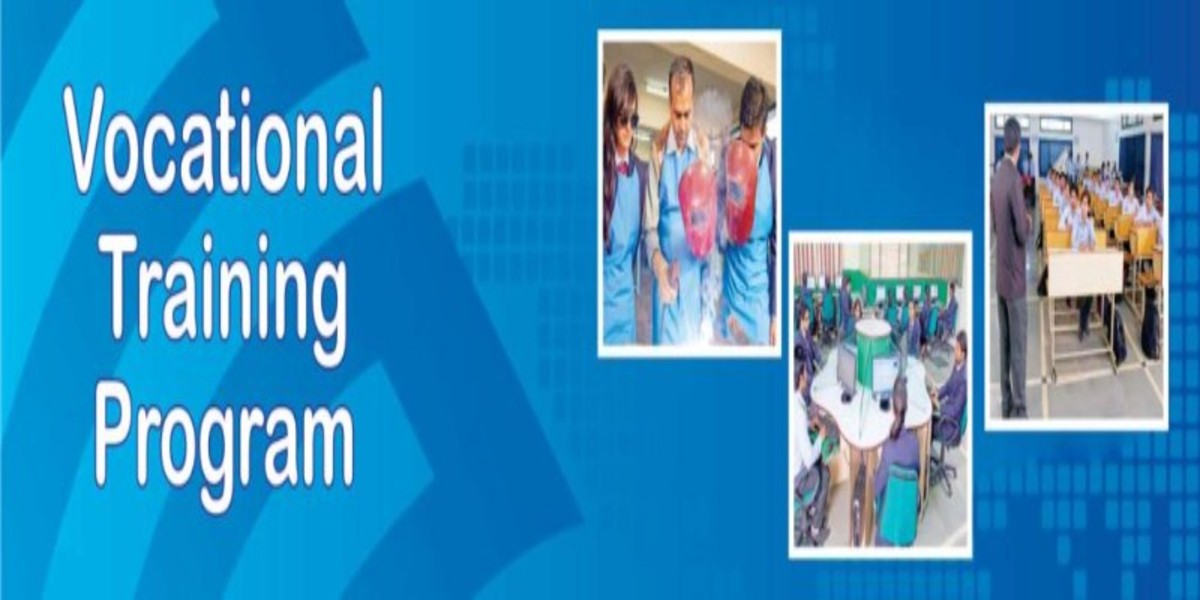
In this situation, vocational training programs are emerging as a powerful solution. These programs focus on skill development rather than only theoretical knowledge, helping individuals become job-ready, self-employed, and financially independent. Across the country, different initiatives by NGOs, educational institutions, and welfare organizations are working to promote skill-based learning and reduce unemployment rates.
Vocational training refers to practical education that prepares individuals for specific trades or careers. These skills include fields like electrical work, plumbing, tailoring, automotive repair, computer literacy, freelancing, graphic design, and digital marketing.
Unlike traditional degree programs, vocational training is short-term, affordable, and highly practical. Students learn by doing, which helps them gain real-world experience before entering the job market. This model is especially beneficial in a developing country like Pakistan, where job opportunities are limited, but skilled labor demand is increasing.
Organizations like Madinah Foundation, a trusted charity organization in Pakistan, are actively supporting education-based welfare projects. Many of these include free education in Pakistan initiatives, where underprivileged students are given access to learning opportunities that include both academic and vocational training support.
Vocational training plays a direct role in reducing unemployment in several ways:
First, it creates job-ready individuals. Instead of waiting years for traditional degrees to convert into employment, students can start earning within months of completing a skill-based course.
Second, it promotes self-employment. Many trained individuals start small businesses such as repair shops, tailoring services, IT freelancing, or online work. This not only reduces unemployment but also creates new job opportunities for others.
Third, it fills the gap between industry demand and education output. Many industries in Pakistan require skilled workers rather than only degree holders. Vocational training ensures that this demand is met effectively.
In addition, various Pakistan welfare foundation initiatives are working at the grassroots level to promote skill development programs in rural and urban areas, helping youth become financially stable.
Welfare organizations are playing a major role in improving education and employment opportunities in Pakistan. These organizations not only focus on education but also on broader social welfare needs.
They provide food security programs for low-income families, healthcare support for patients who cannot afford treatment, and mass marriages to support families facing financial difficulties. Along with these services, they also invest in education and skill development programs that help reduce poverty in the long term.
Many welfare groups also offer Scholarships in Pakistan to talented students who cannot afford education expenses. These scholarships allow students to continue their studies and later participate in vocational training programs that improve their employment chances.
By combining education, health, and skill development, welfare organizations create a complete support system for underprivileged communities.
Youth in Pakistan make up a large portion of the population, which means their skills and productivity directly impact the country’s economic future. However, a lack of proper guidance and career planning often leads to frustration and unemployment.
Vocational training provides a practical solution by offering clear career pathways. Instead of relying only on traditional jobs, students can explore multiple income sources such as freelancing, digital skills, or technical trades.
This also helps reduce dependency on government jobs, which are limited and highly competitive. Skilled individuals can easily find opportunities in the private sector or even start their own businesses.
For individuals and groups interested in social development work, understanding how to register a welfare foundation in Pakistan is very important. Registration allows organizations to legally operate, receive donations, and implement structured welfare programs.
A registered foundation can run vocational training centers, scholarship programs, and community development projects. This ensures transparency and increases public trust, which is essential for long-term success.
Once registered, foundations can expand their services to include education, healthcare, and employment support programs that directly benefit society.
Vocational training not only reduces unemployment but also plays a key role in poverty reduction. When individuals earn a stable income, they can support their families, improve living standards, and contribute to the national economy.
Skilled workers also have better chances of financial growth compared to unskilled labor. Over time, this leads to stronger communities and reduced dependency on welfare support.
This is why many charity organizations in Pakistan's initiatives now focus on skill development as a long-term solution rather than short-term aid.
The future of vocational training in Pakistan is promising. With the rise of digital platforms and remote work, new opportunities are emerging every day. Skills like freelancing, coding, digital marketing, and e-commerce are becoming highly valuable in both local and international markets.
If supported by government policies and welfare organizations, vocational training can significantly reduce unemployment and improve economic stability in the country.
Vocational training programs are a powerful tool to reduce unemployment in Pakistan. They provide practical skills, encourage self-employment, and bridge the gap between education and industry needs. When combined with the efforts of organizations like Madinah Foundation and other welfare bodies, they create a strong foundation for social and economic development.
By promoting education, free education in Pakistan, scholarships, and skill-based training, Pakistan can move towards a more skilled, self-reliant, and prosperous future