Date: Apr 29, 2026
Introduction
Education is one of the most powerful tools for breaking the cycle of poverty. However, in many underprivileged communities, access to formal schooling is limited due to financial constraints, distance, lack of schools, or social challenges. In such situations, non-formal education programs become a vital solution, offering flexible and inclusive learning opportunities for children, youth, and even adults.
What Are Non-Formal Education Programs?
Non-formal education refers to structured learning that takes place outside the traditional school system. These programs are often flexible, community-based, and designed to meet the needs of learners who cannot attend regular schools.
They may include:
Bridging the Education Gap in Underprivileged Areas
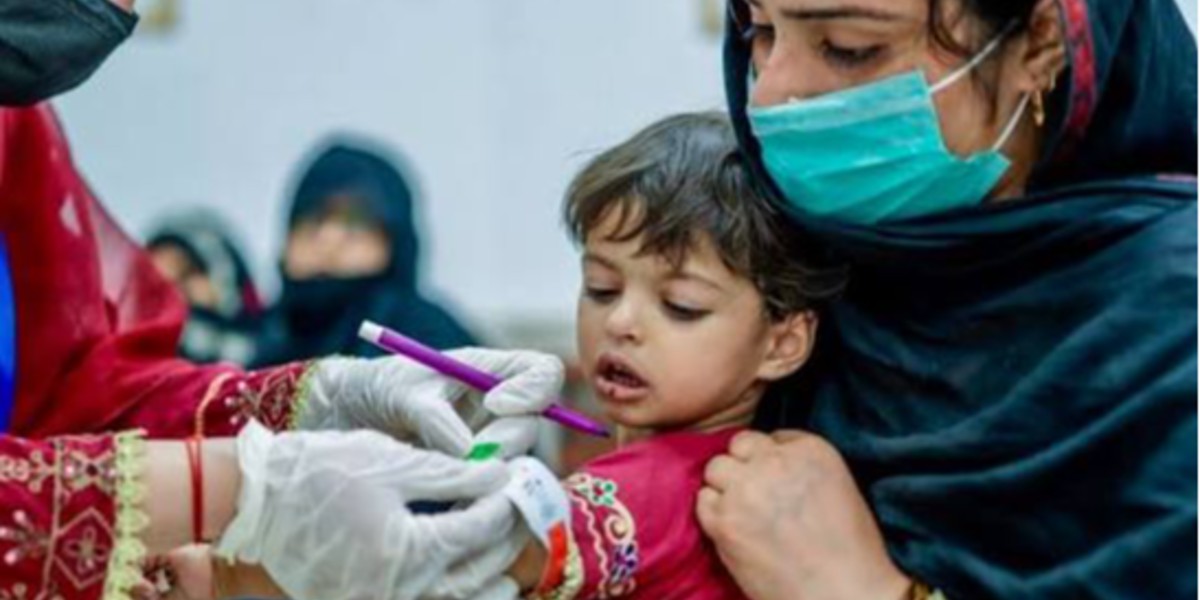
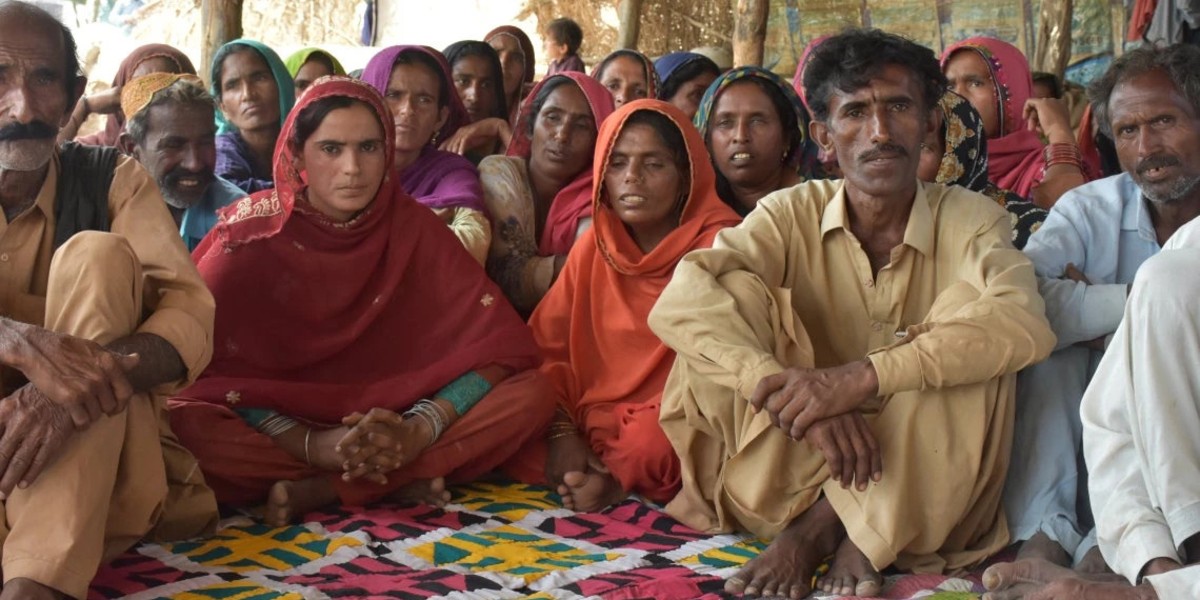
In many rural and low-income urban areas, children are unable to enroll in schools or drop out early due to poverty. Non-formal education programs help bridge this gap by providing a second chance to learn.
These programs ensure that:
Flexibility and Accessibility for All Learners
One of the biggest advantages of non-formal education is flexibility. Unlike traditional schools, these programs are not bound by strict schedules or admission requirements.
This makes learning possible for:
Flexible timing and local accessibility make education more inclusive and practical.
Skill Development for Better Livelihood Opportunities
Non-formal education is not just about reading and writing it also focuses on practical skills. These skills help individuals become financially independent and improve their quality of life.
Common skill-based training includes:
Such skills increase employment opportunities and empower communities economically.
Social Impact of Non-Formal Education
Education not only changes individuals, but it also transforms entire communities. Non-formal education programs help reduce poverty, child labor, and illiteracy while promoting awareness about health, hygiene, and rights.
Educated individuals are more likely to:
Conclusion
Non-formal education programs play a crucial role in providing learning opportunities to those who are excluded from the traditional education system. By offering flexible, accessible, and practical learning solutions, these programs empower underprivileged communities and open doors to a better future. Education, in any form, remains the foundation of social and economic progress