Date: Apr 25, 2026
Introduction
Blood is one of the most critical requirements in any healthcare system, especially during emergencies, surgeries, accidents, and childbirth complications. However, many hospitals in Pakistan often face serious blood shortages due to a lack of organized donation systems. This is where structured blood donation networks play a life-saving role by ensuring the timely availability of safe blood for patients in need.
Organizations like Madina Foundation are actively working to strengthen such life-saving systems through community engagement and awareness initiatives.
Blood shortages occur when demand is higher than supply, especially in emergency situations. Hospitals often struggle due to:
These challenges can put patients’ lives at serious risk, particularly in critical conditions where every minute matters.
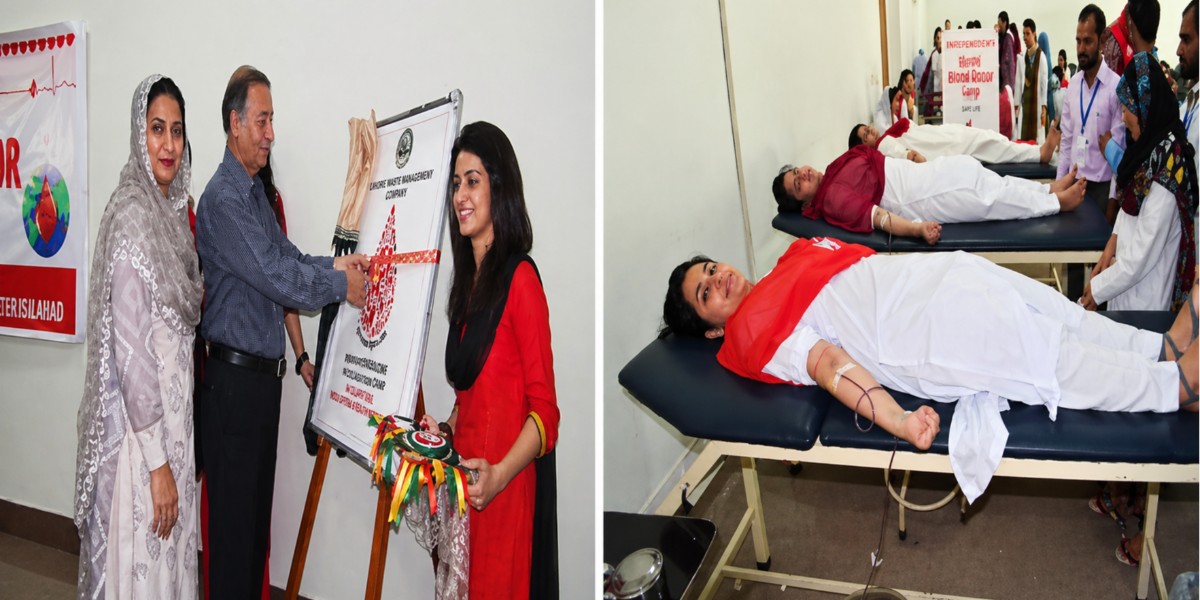
Organized blood donation networks are structured systems that connect donors with hospitals and patients in need. Instead of relying on random or emergency donations, these networks maintain a database of registered donors and ensure quick response during emergencies.
Key features include:
A strong example of such initiative is the Blood Donor Society, which focuses on building a reliable network of voluntary donors.
Organized systems allow hospitals to quickly contact available donors, reducing delays in critical situations.
Regular donation drives ensure that blood banks remain stocked and ready for emergencies.
Screened and registered donors reduce the risk of unsafe or incompatible blood transfusions.
Campaigns and outreach programs encourage more people to become voluntary donors.
Madina Foundation plays an important role in promoting humanitarian healthcare initiatives, including awareness about blood donation and community participation. Their efforts help build a culture of voluntary contribution and social responsibility.
To explore more about their mission and initiatives, Discover. Through such programs, the foundation aims to strengthen healthcare systems and ensure that no patient suffers due to a lack of blood availability.
Organized blood donation networks are essential for reducing hospital blood shortages and saving countless lives. By connecting donors with patients in real time, these systems ensure faster response, safer transfusions, and a more reliable healthcare structure. With the support of organizations like Madina Foundation, Pakistan can move toward a more efficient and life-saving blood donation system.