Date: May 15, 2026
Introduction
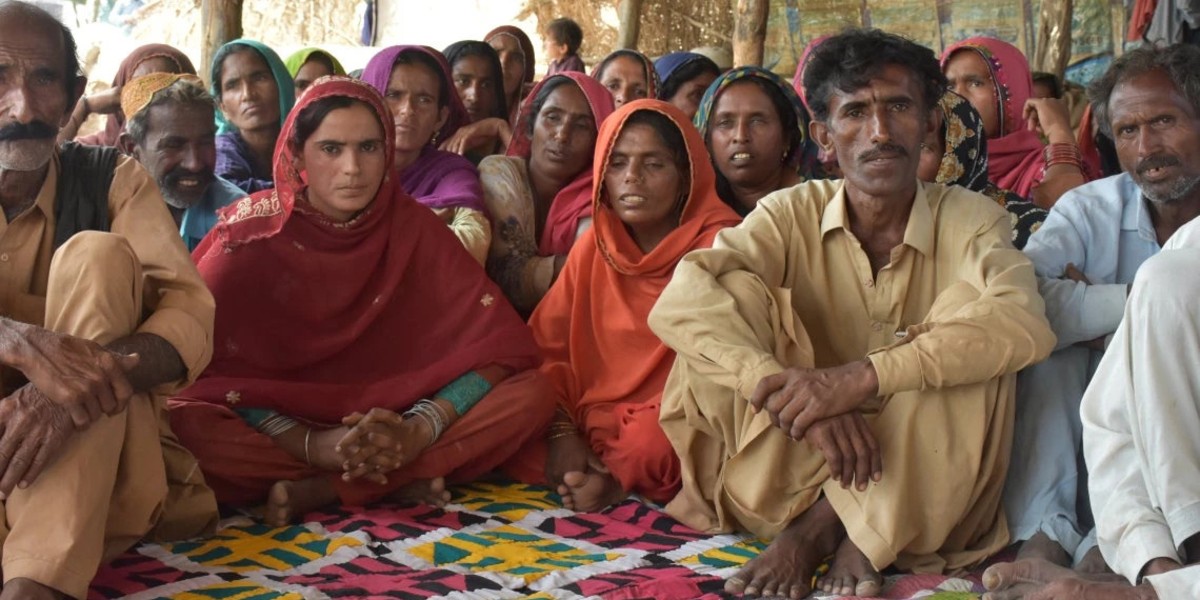
Women’s empowerment has become one of the most important pillars of social and economic development in Pakistan. In a society where many women still face barriers to education, employment, and financial independence, skill development initiatives are playing a transformative role. These programs not only provide practical training but also help women become confident contributors to their families and communities.
Empowering women through skills is not just a social responsibility; it is a necessity for national progress. When women are empowered, entire households become stronger, healthier, and more financially stable.
Women’s empowerment means giving women equal opportunities in education, employment, decision-making, and economic participation. In Pakistan, many organizations are working to uplift women through education, vocational training, and awareness programs.
Skill development is one of the most effective tools for empowerment because it directly leads to income generation. Whether it is tailoring, digital skills, healthcare assistance, teaching, or entrepreneurship, these skills allow women to contribute financially while maintaining flexibility in their personal lives.
Skill development initiatives are designed to bridge the gap between education and employment. For women, these programs are especially important because they provide safe, accessible, and practical learning environments.
Many welfare organizations focus on training women in areas such as sewing, handicrafts, IT skills, and small business management. These initiatives are often aligned with broader social goals such as poverty reduction, healthcare awareness, and community development.
Organizations often highlight their Mission, About Us, and Discover Us sections to showcase how they are working for social upliftment. These platforms help people understand the long-term vision behind women's empowerment programs and encourage community participation.
When women are economically empowered, they contribute directly to household income. This reduces financial stress and improves living standards. Studies have shown that women who earn independently invest more in their children’s education and health, creating a positive cycle of development.
Skill-based training also encourages entrepreneurship. Many women start home-based businesses after completing vocational training, which helps them achieve financial independence without leaving their homes.
Women's empowerment is closely linked with other social issues in Pakistan. For example, Why Food Security is a Extensional Crisis for Pakistan is a major concern that affects both men and women, but women often bear the burden of household nutrition management. Empowered women with income-generating skills can better manage food resources and improve family nutrition.
Similarly, why are mass marriages required in a country like Pakistan? highlights another important social challenge. Many families struggle with financial pressure related to marriage expenses. Women's empowerment helps reduce such pressures by improving household income and stability.
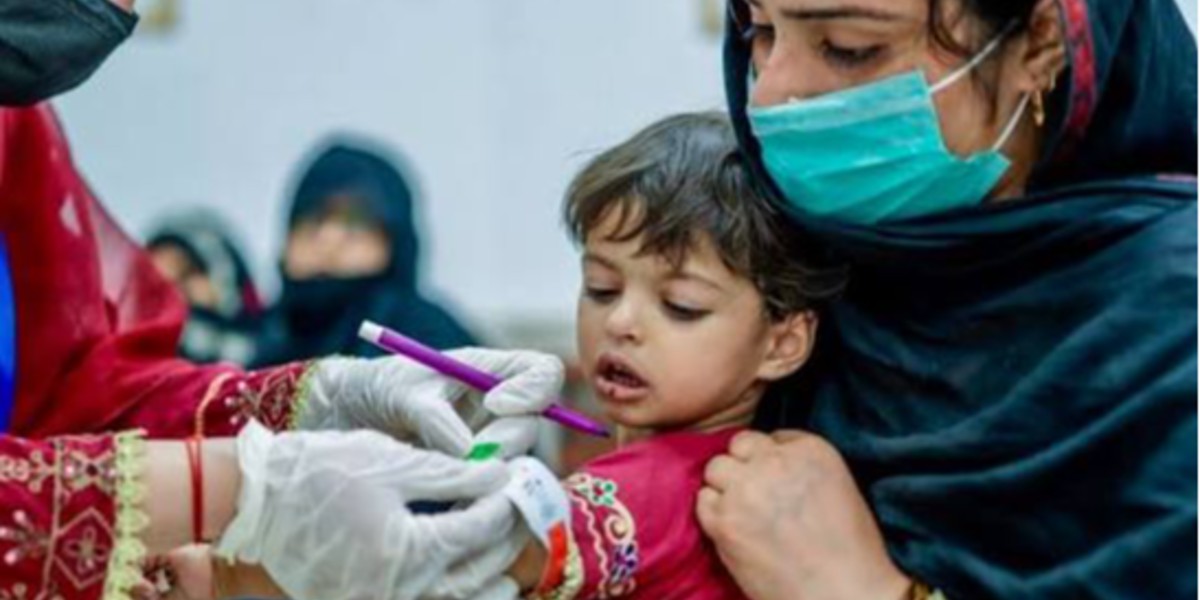
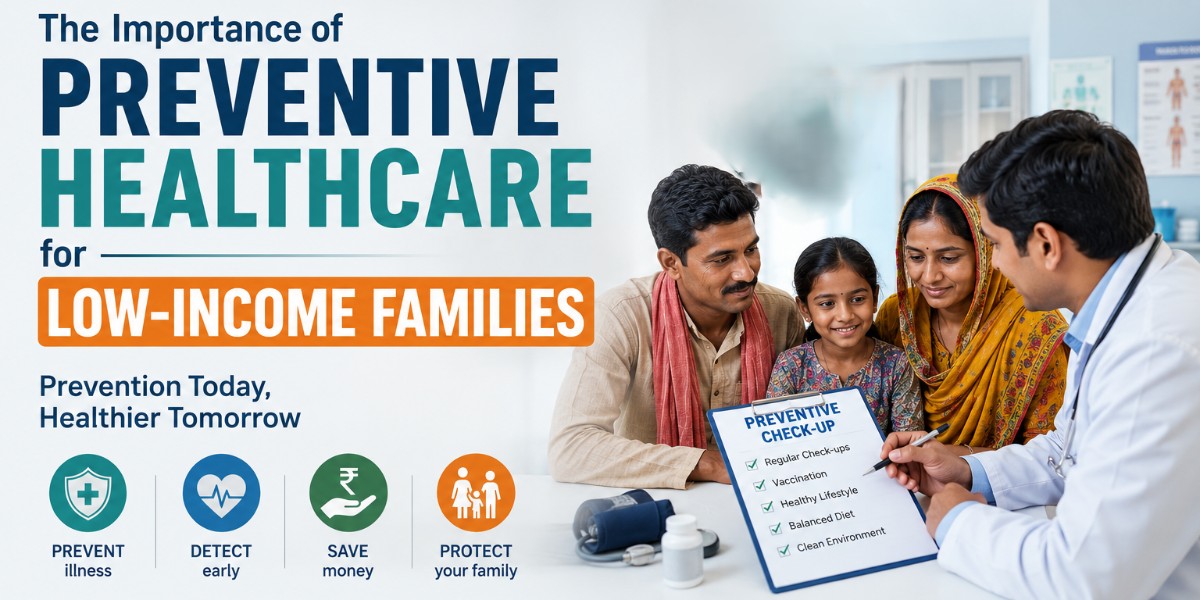
Healthcare is another critical area. Stories like Between Hope and Hardship: Amira's Journey through a Broken Healthcare System reflect the struggles faced by many families, especially women. Empowered women are more capable of accessing healthcare, making informed decisions, and advocating for better medical support for their families.
Education is the foundation of empowerment. Without awareness, women cannot fully utilize skill development opportunities. Awareness campaigns and training centers play a crucial role in informing women about available programs.
Many organizations use their platforms, such as Mission, About Us, and Discover Us sections,s to spread awareness about their initiatives. These sections help communities understand the purpose behind skill development programs and encourage participation from rural and urban areas alike.
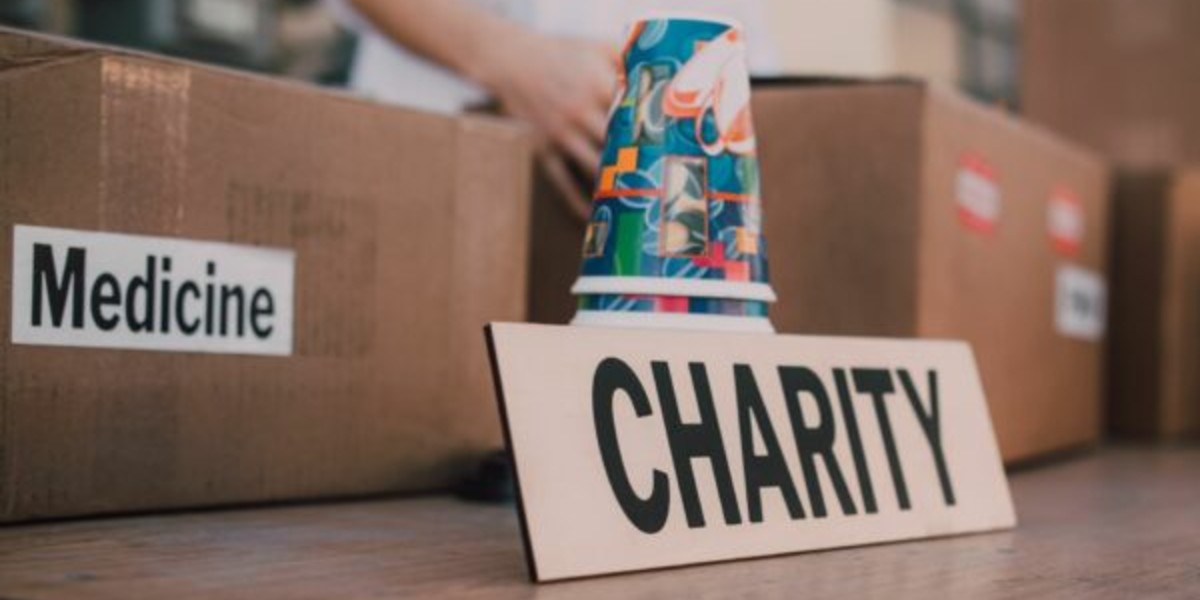
Welfare organizations are the backbone of women's empowerment initiatives in Pakistan. They provide training, financial assistance, and resources to help women start their own careers.
These organizations often integrate multiple services such as education, healthcare, and social support. By doing so, they create a complete ecosystem that supports women at every stage of their development journey.
In addition to skill training, many organizations also offer scholarships, mentorship programs, and small business support. This ensures that women not only learn skills but also get opportunities to apply them effectively.
Despite progress, there are still several challenges that limit women’s participation in skill development programs. Cultural barriers, lack of transportation, financial constraints, and limited awareness are some of the major issues.
In rural areas, women often have fewer opportunities to access training centers. This makes mobile training units and community-based programs essential for reaching underserved populations.
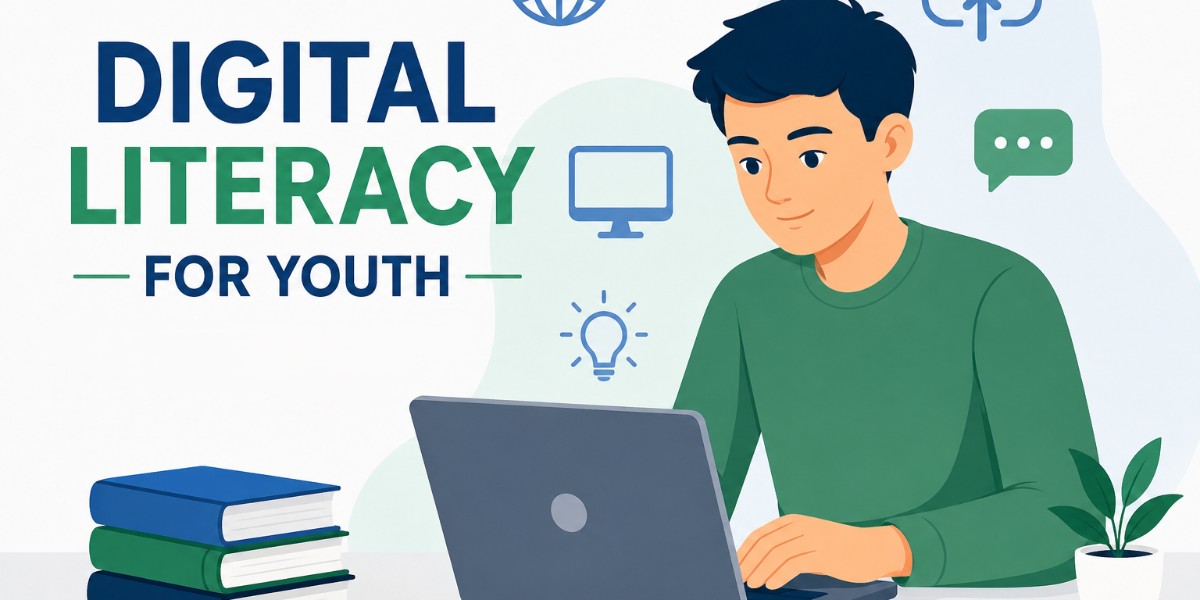
The future of women's empowerment in Pakistan depends on continued investment in education and skill development. With the rise of digital platforms, women now have access to online learning opportunities that allow them to work from home.
Freelancing, e-commerce, and digital marketing are becoming popular career paths for women, offering flexibility and financial independence.
If supported by government policies and welfare organizations, these opportunities can significantly improve women’s participation in the workforce.
Women’s empowerment through skill development initiatives is essential for building a stronger and more prosperous society. It not only improves individual lives but also strengthens families and communities.
By addressing social issues like food security, healthcare challenges, and financial pressures, such as mass marriages, empowered women can play a key role in national development. Organizations focusing on Mission, About Us, and Discover Us are already contributing to this positive change.
With continued effort, awareness, and access to skills, women in Pakistan can achieve true independence and become powerful drivers of economic and social progress